



The following is a brief introduction to the topic:
places to visit in Pakistan
Pakistan is one of the most attractive travel destinations in South Asia after the summer. The country becomes more accessible as the heat subsides. Road trips, mountain adventures, cultural excursions, food tours, desert safaris, and heritage walks are all possible. The post-summer season is the perfect time to visit Pakistan. From the autumnal trees in Hunza to the lakes and mountains of Skardu.
The period between September and November, for many tourists, is the best time to visit northern Pakistan. As the weather clears, summer slows, and valleys change colors, it is a good time to visit. From October to February can be more pleasant in lower-altitude towns like Lahore and Islamabad.
The 2026 Guide is a guide for couples, families, solo travelers, honeymooners, and road trip lovers. It also includes international tourists looking for the Best Places to Visit in Pakistan After Summer. This guide includes mountain valleys and UNESCO World Heritage Sites. It also features deserts, beaches, lakes, forts, cultural cities, and other underrated locations.
Pakistan has 6 UNESCO World Heritage sites, including Mohenjo-daro and Taxila. UNESCO Pakistan’s page lists several other tentative sites, including Deosai National Park and Central Karakorum National Park.
In 2026, tourists should always check weather conditions and road conditions prior to traveling through mountainous areas or the north. The NDMA warned in June 2026 that glacial lakes, landslides, and road closures could impact certain routes, including the Naran Road and Karakoram Highway.
What to do in Pakistan after summer?
Pakistan is more pleasant to travel in the fall, with better weather and fewer crowds. Autumn colors are seen in the mountains during September and October, particularly Hunza and Nagar. After the monsoon, fog begins to lift, poplars turn orange and yellow, orchards of apricots light up in valleys, and snowy peaks are more noticeable.
It is also the season of travel videos, family holidays, honeymoons, photography, and drone shots. These trends include searches for Hunza Autumn Tour, Skardu Travel Guide, Northern Pakistan Road Trip, Pakistan Honeymoon Destinations, and Best Places to Visit in Pakistan in October.
After summer, southern and central Pakistan is more crucial. When temperatures fall, places like Lahore, Multan, Bahawalpur, Mohenjo-daro, Makli, Karachi, Hingol, Gorakh Hill, Tharparkar, and Gwadar become more pleasant. Many of these places are hard to visit comfortably in the peak of summer.
This list is a comprehensive 2026 Pakistan Travel Guide covering all the major regions of Pakistan, including Punjab, Sindh, and Khyber Pakhtunkhwa. It also includes Azad-Kashmir, Balochistan, Azad Jammu, and Azad Pakhtunkhwa.
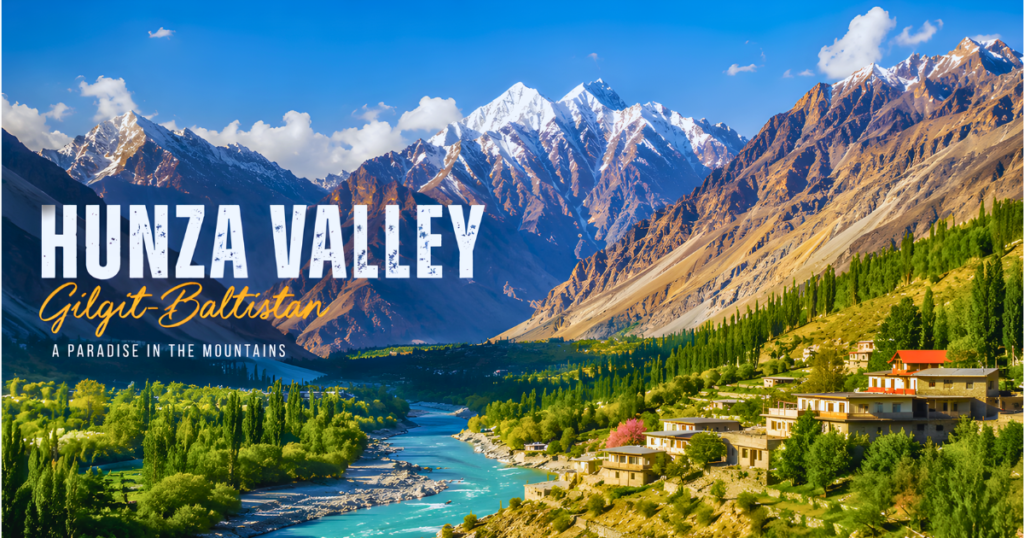
1. Hunza Valley, Gilgit-Baltistan
Hunza, Pakistan’s most popular and sought-after travel destination. It becomes more magical after summer. Hunza is a travel destination that includes Karimabad and Altit.
It is best to go to Hunza in the fall, from mid-September to early November. The valley is golden at this time, which makes it ideal for road trips, photography, honeymoons, and family vacations. Early autumn is usually cool, but not harsh.
⚠️Travel tip: Mountainous regions can experience rapid changes in road conditions, so it is important to always consult local information before traveling along the Karakoram Highway.
2. Skardu Valley, Gilgit-Baltistan
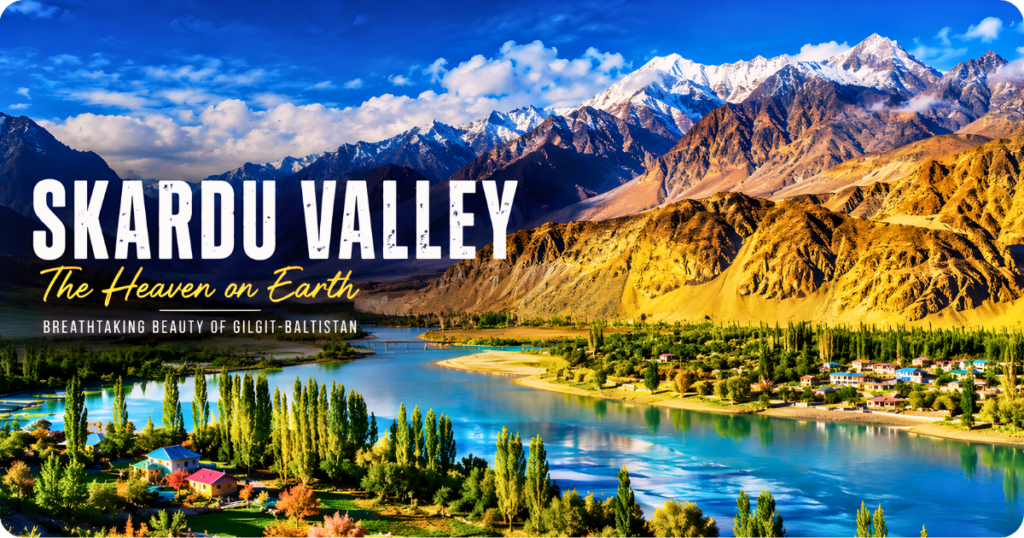
Skardu, Pakistan, is a stunning place to visit after the summer. There are lakes, mountains, waterfalls, and forts. Popular places include Shangrila Resort, Upper Kachura Lake, Lower Kachura Lake, Katpana Cold Desert, Sarfaranga Desert, Shigar Fort, Khaplu Palace, Manthokha Waterfall, Basho Valley, and Satpara Lake.
The Gilgit-Baltistan Tourism Portal highlights destinations like Fairy Meadows National Park and K2. This shows how crucial this region will be for Pakistani tourism in 2026.
Skardu is peaceful and beautiful after summer. Deosai is best visited in September, while the valleys, forts, and lakes of October are spectacular. Skardu, Pakistan’s best honeymoon destination, offers luxurious accommodations, quiet landscapes, and easy sightseeing.
Keep extra days on your itinerary if you plan to visit Skardu because weather can affect flights, roads, and mountain passes.
3. Deosai National Park
Deosai National Park in Pakistan is a unique destination for high-altitude travel. According to the Gilgit-Baltistan Tourism Portal, it is known as the “Land of Giants” and sits at an average altitude of 4,114 meters.
Deosai’s best time to visit is after summer in early September or October before snowfalls block access. It is a vast, quiet, wide plain surrounded by mountains. Sheosar Lake, which offers postcard views in clear weather conditions, is the major attraction.
Deosai appeals to adventurers, photographers, nature lovers, and tourists who want something different than the typical valley experience. Due to the altitude of Deosai, travelers should be prepared for sudden weather changes, cold wind, and low oxygen.
Tip: Deosai is not a place for a picnic. Bring warm clothing, water, and snacks. Also, make sure you have a vehicle that is reliable with an experienced, knowledgeable driver.
4. Fairy Meadows Base Camp and Nanga Parbat Base Camp
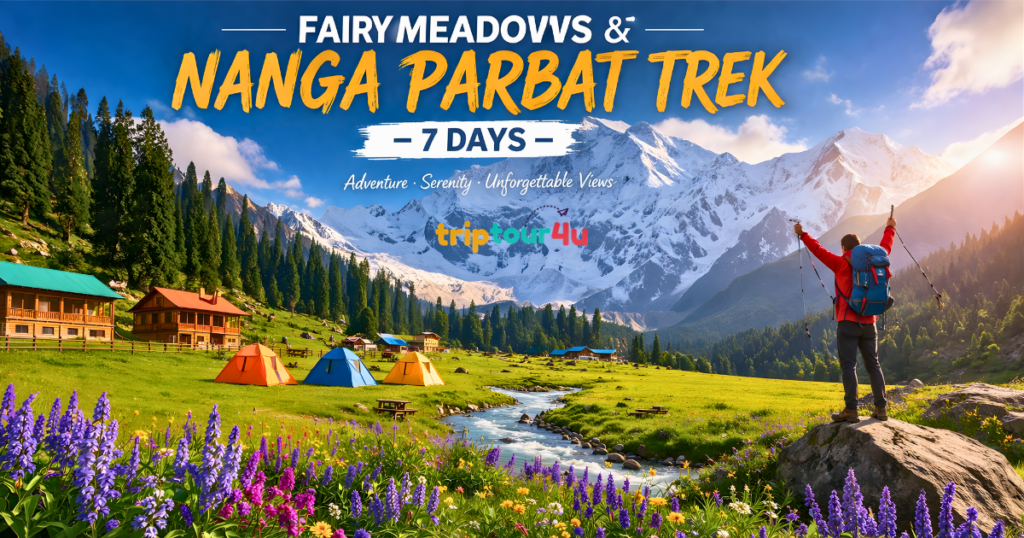
Fairy Meadows, one of Pakistan’s most famous destinations. It offers an up-close view of Nanga Parbat—the famous mountain that is often called “Killer Mountain.”
The trip usually starts with a drive from Raikot Bridge and ends with hiking. Fairy Meadows is more suitable for those who are looking to be active than for family vacations. The view from Fairy Meadows of Nanga Parbat will be unforgettable.
Fairy Meadows is a favorite destination among trekkers, photographers, and vloggers looking to experience a true Northern Pakistan adventure. The area is also popular as a keyword destination when searching for Pakistan adventure tourism, Nanga Parbat Base Camp treks, and the best hike places in Pakistan.
⚠️ Travel tip: The jeep tracks are challenging. Avoid traveling late at night and hire local drivers.
5. Astore Valley & Rama Lake
Astore, Pakistan, is one of those places that you should visit after the summer. The road connects visitors to Rama Meadows and Rama Lake as well as Deosai Minimarg and other scenic valleys. Astore is quieter than Hunza or Skardu.
Astore is a great place to visit after summer. It offers beautiful scenery, clear skies, and cool temperatures. Rama Meadows offers a tranquil place to relax for couples and families, while Rama Lake makes a great location for short walks and photography. This valley is also a popular route for tourists planning to visit Deosai and Minimarg.
It is a great destination for those who don’t like crowded places. This destination is perfect for those who are looking for secret places to visit in Pakistan or the tranquil valleys of Gilgit-Baltistan.
Book early for autumn weekends, as accommodation is scarce in Hunza and Skardu.
6. Naran, Kaghan and Shogran Paye
Naran and Kaghan are still popular family destinations in Pakistan. The valley is quieter after summer when the crowds have subsided, prices are more affordable, and there’s less rush. The main attractions are Lake Saif-ul-Malook and Lulusar Lake. Babusar Top is also a popular destination.
Naran and Kaghan are usually at their best in September. Some routes may become dangerous or unreachable due to the snow by late November or October. Shogran and Siri Paye offer a great alternative for those who are looking to enjoy the forest, mountain views, and fresh air of Gilgit-Baltistan without having to travel too far.
Naran is perfect for couples, families, first-time travelers to the north, and students. Naran is among the top searches for “Pakistan Family Tour,” “Narankaghan Travel Guide,” and “places in Pakistan to visit after summer.” “
Before finalizing an itinerary, confirm that you can access Babusar Top or the lake.
7. Swat Valley (Kalam, Malam Jabba and Swat Valley)
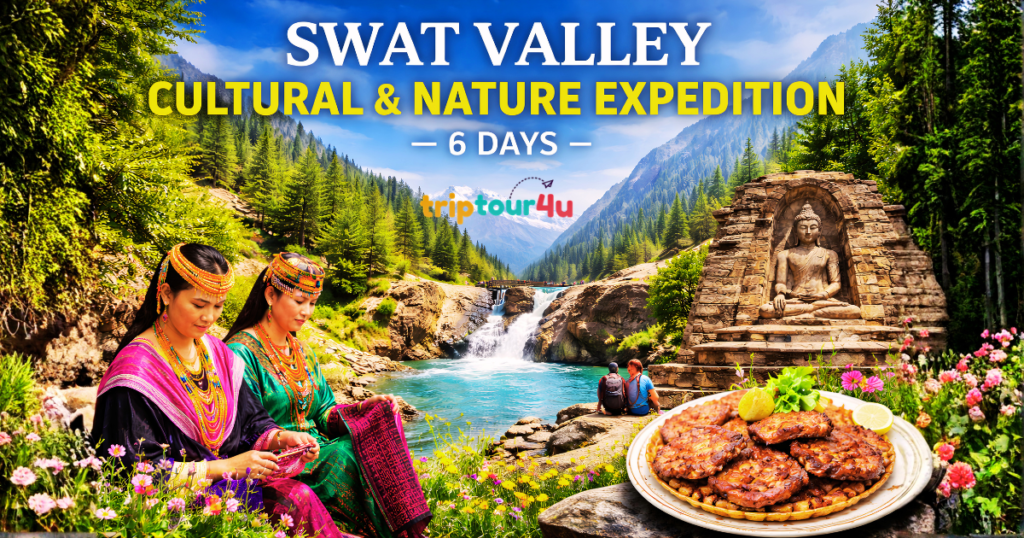
Swat, in Khyber Pakhtunkhwa, is one of the most comprehensive destinations. The area is a combination of rivers, mountains, forest, falls, and ski resort scenery. It also has a Buddhist history, mountain towns, and a Buddhist heritage. Swat is described by the KP Culture and Tourism Authority as a rich, historical valley with orchards and snow-covered mountains, rivers, lakes, and streams.
Kalam, Bahrain, and Madyan are all great places to visit after summer. Malam Jabba has a lot of appeal for its chairlifts and mountain views. KP Tourism notes that Malam Jabba, located around 44km from Mingora, is popular for its mountain views and adventure tourism.
Swat is ideal for honeymooners, families, and those looking to travel north from Islamabad, Peshawar, or other cities.
A jeep can be safer for the Mahodand Lake route and the Upper Kalam route than a car with low clearance.
8. Kumrat Valley & Jahaz Banda
places to visit in Pakistan
Kumrat Valley, Pakistan, is a beautiful destination that’s off the beaten track. The valley is known for its pine forests, river, waterfalls, and wooden huts. Young travelers, adventurers, and young families are particularly fond of Jahaz Banda.
Kumrat is less crowded after the summer. The best time to visit Kumrat is September, when the vegetation is freshest and weather conditions are still palatable. Although October is cold at night and can get a bit chilly, it’s still a good month for those who enjoy quiet mountains.
KP Tourism lists Kumrat Valley, Jahaz Banda, and other notable attractions on its official tourism website.
Kumrat offers the best places to camp in Pakistan and explore hidden valleys in Pakistan.
Prepare for limited Internet, hotel, or road standards.
9. Chitral Valley and Kalash Valleys
places to visit in Pakistan
It appeals to travelers with a passion for culture, history, remoteness, and mountains. Chitral, Garam Chashma, and Shandur are all part of the region, as well as Bumburet and Rumbur. Birir. KP Tourism describes the Chitral Valley as scenic, culturally rich, and under the shade of Tirich Mir. It has rivers, hot springs, orchards, and mountain passes.
Chitral is a great place to visit in the fall for its cooler temperatures and better views. Kalash valleys have special importance for culture tourism. UNESCO’s tentative Pakistan list includes Kalasha Valley Cultural Landscape. This area will be added to the list in 2026.
Chitral is perfect for those who prefer to travel slowly, are cultural photographers or researchers, and want to explore something different.
⚠️ Travel tip: Dress modestly and respect local culture. Avoid intrusive photography in Kalash villages.
10. Neelum Valley, Azad Kashmir
places to visit in Pakistan
Neelum Valley is a great place to go in Pakistan for those who enjoy rivers, mountains, lakes, and picturesque villages. It is listed as one of the top destinations on the official AJK Tourism Portal, along with Ratti Gali Lake and Pir Chinasi.
Keran, Sharda Kel, Arang Kel, Taobat Lake, and Dhani Waterfall are all popular places to visit in Neelum Valley. While September brings lakes, greenery, and cooler temperatures to the valleys, October is a great month for quieter weather and quieter valleys.
Neelum Valley is ideal for nature, family, or couple travel. This is a great SEO destination to promote Azad Kashmir Tours, Neelum Valley travel guides, and the best places in Kashmir, Pakistan.
Always check road conditions before you leave Muzaffarabad.
11. Murree and Nathia Gali, as well as the Galiyat Region
places to visit in Pakistan
Rawalpindi, Murree, and Galiyat offer some of the best mountain getaways in Pakistan. These mountains are conveniently located near Islamabad, Rawalpindi, and other cities. The weather is pleasant after summer. There are fewer tourists and more forest walks.
Nathia Gali, Ayubia, Dunga Gali, Changla Gali, Patriata, Kashmir Point, and Pindi Point are popular spots. This region is ideal for people with young children, seniors, or those who prefer a cool climate without having to travel far.
Murree is listed on the official Punjab portal as one of the natural and recreational attractions in Punjab.
Search terms such as “family tours in Pakistan,” “weekend getaways from Islamabad,” and “best hills in Pakistan” will bring up this destination.
⚠️Travel tip: The weekends can be busy, but you’ll have a more relaxing experience if you visit during the week.

12. Islamabad and Margalla Hills
Islamabad, Pakistan’s capital, is more than just the city of its name. It is one of the best destinations to visit after summer for clean streets, hiking trails, cafés, views, museums, and family-friendly sightseeing. The city is more pleasant for outdoor activities after summer.
The top places to visit include the Faisal Mosque, Pakistan Monument, and Lok Virsa Museum. Other notable attractions are Daman-e-Koh (Pir Sohawa), Rawal Lake, Saidpur Village Trail 3, Trail 5, and Margalla Hills National Park. Islamabad makes a great starting point to visit Murree and Taxila. It is close to Khanpur Dam, Nathia Gali (a dam), and Kashmir, the northern part of Pakistan, as well as Swat.
Islamabad, for travelers looking to get a taste of Pakistan in a safe and easy way, is one of the best cities to visit. Digital nomads and business travelers, as well as international tourists, will find it ideal.
⚠️ Tip for hiking in September: start early and bring water.

13. Lahore
places to visit in Pakistan
After summer, Lahore becomes one of Pakistan’s best cultural attractions. In June, August, and July, the city can be too hot, but once October arrives, it is much cooler. Lahore’s Mughal architecture, old bazaars, gardens, shrines, museums, and vibrant street life are famous.
The following places are must-sees: Lahore Fort (also known as the Lahore Fort), Badshahi Mosque and Shalimar Gardens in Lahore, Wazir Khan Mosque at Delhi Gate, Lahore Museum, Food Street, Minar-e-Pakistan, Jahangir’s Tomb, Anarkali Bazaar, and Minar-e-Pakistan. UNESCO has listed the Fort and Shalimar Gardens of Lahore among Pakistan’s world heritage properties.
Punjab’s official list of attractions also includes Lahore Fort and Shalimar Gardens.
⚠️Travel tip: The best time to visit the Walled City is in the early morning or the late afternoon.

14. Taxila
places to visit in Pakistan
Taxila, Pakistan, is one of the most significant historical sites in Pakistan. It is located near Islamabad and Rawalpindi and makes for an ideal one-day trip to explore the heritage after the summer. From October, the weather is better, which makes it easier for you to visit ruins, monasteries, and other ancient sites.
Taxila, a UNESCO World Heritage Site, represents ancient Gandhara civilization. Taxila Museum is a key place, as are Sirkap, Jaulian Monastery, Dharmarajika Stupa, Mohra Moradu, and Bhir Mound.
It is a great destination for students, history buffs, Buddhist heritage tourism tourists, and families seeking an educational experience. This keyword also matches “heritage travel in Pakistan,” “Buddhist sights in Pakistan,” and “day trips from Islamabad.”
⚠️ Travel tip: Research the sites or hire a tour guide before you visit. The ruins will be more interesting when you know their history.
15. Rohtas Fort & Khewra Salt Mine
places to visit in Pakistan
The Khewra Salt Mine and Rohtas Fort are both excellent road trips in Punjab after the summer. Rohtas Fort is a huge historical fortress near Jhelum and a UNESCO World Heritage Site. This is a great place for history buffs, photographers, and those interested in military architectural design.
Khewra Salt Mines is one of Punjab’s best-known natural and recreation attractions. The official Punjab portal includes Khewra Salt Mines in its list of nature and recreation destinations. UNESCO has also tentatively included the Salt Range as well as the Khewra Salt Mine.
The weather is much more pleasant for exploring the Salt Range and Rohtas Fort after summer. The route is ideal for school and family trips.
⚠️ Travel tip: Bring comfortable walking shoes to Rohtas Fort because it is a large site and requires a lot more walking.
16. Peshawar and Takht-i-Bahi
places to visit in Pakistan
Peshawar, Pakistan’s cultural capital and oldest city. The weather is more conducive to exploring heritage sites, museums, bazaars, and food streets after summer. Qissa Khwani Bazaar, Sethi Mohallah, Peshawar Museum, Mahabat Khan Mosque, and Namak Mandi are major attractions.
Takht-i-Bahi is one of Pakistan’s UNESCO World Heritage Sites. UNESCO describes it as the “Buddhist Remains of Takht-i-Bahi and Neighboring City Remains at Sahr-i-Bahlol.”
It is a great destination for foodies, history buffs, cultural tourists, and Gandhara historians. This destination is a great addition to any Pakistani cultural tour in 2026.
⚠️Travel tip for first-time visitors: Having a guide from the area will make your experience more enjoyable and smooth.
17. Multan and Uch Sharif
Multan is also known as the City of Saints. It is much easier to visit its old streets, shrines, and bazaars after the summer. The best time to visit is between October and February, as the heat of summer in the southern Punjab region can be very intense.
The top places to visit include the Hussain Agahi Bazaar and Ghanta Ghar as well as the Blue Pottery Markets. Uch Sharif, located nearby, is known for its historical tombs and spiritual legacy. The official Punjab portal includes the Tombs of Shah Rukn-e-Alam and Bibi Jawindi and the Tomb of Shah Rukn-e-Alam among its most important attractions.
Multan is ideal for those looking for places of cultural interest in Pakistan, Sufi tourist attractions in Pakistan, and historical sites in Pakistan.
Buy from well-known stores to get the best quality.
18. Bahawalpur Desert and Cholistan Desert
Bahawalpur, Pakistan, is one of the best destinations for historical and royal sightseeing, as well as desert culture. From November on, the weather is much more pleasant.
Cholistan Desert, Derawar Fortress, Abbasi Mosque, and Lal Suhanra National Park are among the top attractions. Noor Mahal is on the official list of attractions in Punjab, along with Derawar, Abbasi Mosque, and Cholistan.
Bahawalpur’s ideal for families, culture enthusiasts, travelers, and photographers who are looking to experience the desert without having to travel too far. Cholistan’s landscape is particularly beautiful at sunset.
The destination is a good match for keywords such as “Pakistan desert safari,” “Bahawalpur travel guide,” “Derawar tour,” and “best places in Punjab to visit, Pakistan”.”
⚠️Travel tip: Avoid desert trips during midday with a driver or local guide.
19. Mohenjo-daro, Sindh
Mohenjo-daro, one of South Asia’s most significant archaeological sites, is a must-see. This site, UNESCO World Heritage Site, is a must-see for anyone interested in Indus Valley civilization.
Mohenjo Daro is much easier to reach after summer. Sindh is a region where the summers can be very hot. The best time to visit the site is between November and February.
Sindh Tourism Development Corporation has highlighted Mohenjo-daro as one of the top places to visit in Sindh. You can visit it in conjunction with Larkana or Sukkur.
Mohenjo-daro appeals to history enthusiasts, scholars, tourists, and researchers interested in ancient cultures.
⚠️ Travel tip: Go early in the morning and bring water, sunblock, and a hat.
20. Attabad Lake
This turquoise lake was created by a tragic landslide. It has since become a symbol for beauty and resilience. Photographers will love the contrast between the turquoise water and the grey mountains of Karakoram.
21. Passu Cones (Cathedral Peaks)
The jagged triangular peaks of the Alps are very iconic. The sharp silhouettes of mountains against the clear blue skies in cooler months make for some of the best mountain photography.
22. Khunjerab Pass
It is the highest international border crossing on paved roads in the entire world. The journey to the Khunjerab National Park, where you may spot the snow leopard, is an unforgettable adventure.
23. Naltar Valley
It is famous for its ski resort and colorful lakes. This area becomes an important hub of winter sports in late winter.
24. Fairy Meadows
This is the perfect place for trekkers. It’s located at the foot of Nanga Parbat, also known as “The Killer Mountain.” The autumn here is a great time to see the ninth-highest mountain in the world. It’s surrounded by forests and alpine peaks.
25. Deosai National Park
This high-altitude plateau, also known as “The Land of Giants,” is best explored in the early fall before heavy snows block the roads. The vast flat plains of the plateau and its Himalayan brown bear are famous.
Treasures of Cultural and Historical Value
The historical center of Pakistan begins to come alive when the mountains pass close by. Walking through bustling markets and ancient forts is a pleasure in the temperate climate.
Get Travel Ideas for Your Adventure in 2026
When packing, consider the temperature in your destination. Hunza and Skardu, for example, can be well below zero.
Verify Accessibility: Before planning your trip, always check if the high-altitude pass (like Babusar Top) is open. Many internal mountain roads can be closed by snow as winter advances.
Culture Sensitivity: When traveling to remote areas like the Kalash Valley or Northern Areas, always be sensitive to local culture and customs. Ask permission first before photographing residents.
Weather conditions can affect domestic flights from Skardu to Gilgit. If you are unable to fly due to clouds, always have an alternative plan (usually driving the Karakoram Highway for a scenic but long drive).
Pakistan offers a wide range of attractions. Your travels to 2026 will be memorable, whether you decide on the snow-covered peaks in the North or historic warmth in the South. Travel safely!
The conclusion of the article is:
Pakistan becomes a paradise for travelers as the summer heat subsides. It offers a variety of landscapes that appeal to all types of travelers. If you’re looking for the autumnal colors of northern valleys or the tranquil majesty and history of high-altitude lakes, then the period between September and November is the best time to visit Pakistan.
Pakistan 2026 will be an incredible journey. From the rugged mountains of the Karakoram to the vibrant, culture-rich streets of Lahore and the ancient Mohenjo-daro ruins, Pakistan is sure to offer you a memorable experience. You can have a rewarding and smooth adventure by respecting the local culture, planning an itinerary that is flexible, and preparing yourself for unpredictable mountain weather. Prepare your cameras and your luggage to see the stunning transformation of landscapes in Pakistan after summer.
FAQs (Frequently Asked Questions)
1. When is the best time of year to visit Northern Pakistan
From mid-September until late October is the best time to visit northern areas (Hunza, Skardu, and Swat). The summer crowds are gone; it is comfortable and cool. You can also see the stunning autumn foliage.
2. Travel to northern regions in 2026: Is it safe?
In general, the answer is yes. However, road conditions can quickly change in mountainous areas due to early snowfall or landslides. Check the latest updates provided by the National Disaster Management Authority and speak to local tour operators about the accessibility of passes such as Babusar Top.
3. What are the best regions for a family vacation after summer?
Islamabad and Murree are ideal for families who want to enjoy comfort, convenience, and pleasant temperatures. Hunza or Skardu, both family-friendly but with a bit more adventure, are great choices in the fall, as long as you prepare for cool temperatures.
4. What do I need to pack for my trip to Pakistan in the fall?
Layer up. Although southern cities like Karachi and Lahore may remain pleasant into October, the temperatures are usually below freezing in northern areas. Pack a sturdy jacket, hiking boots, sunblock, and sunglasses. Also, a cozy, warm sweater. Wear modest clothing when visiting religious or traditional sites.
5. What cultural customs should I follow?
Yes. Pakistan has a rich culture and conservative values. Always ask permission to take photos of the locals when visiting remote regions like Kalash Valley. When visiting historical or religious sites, it is important to dress modestly and respect the locals.