


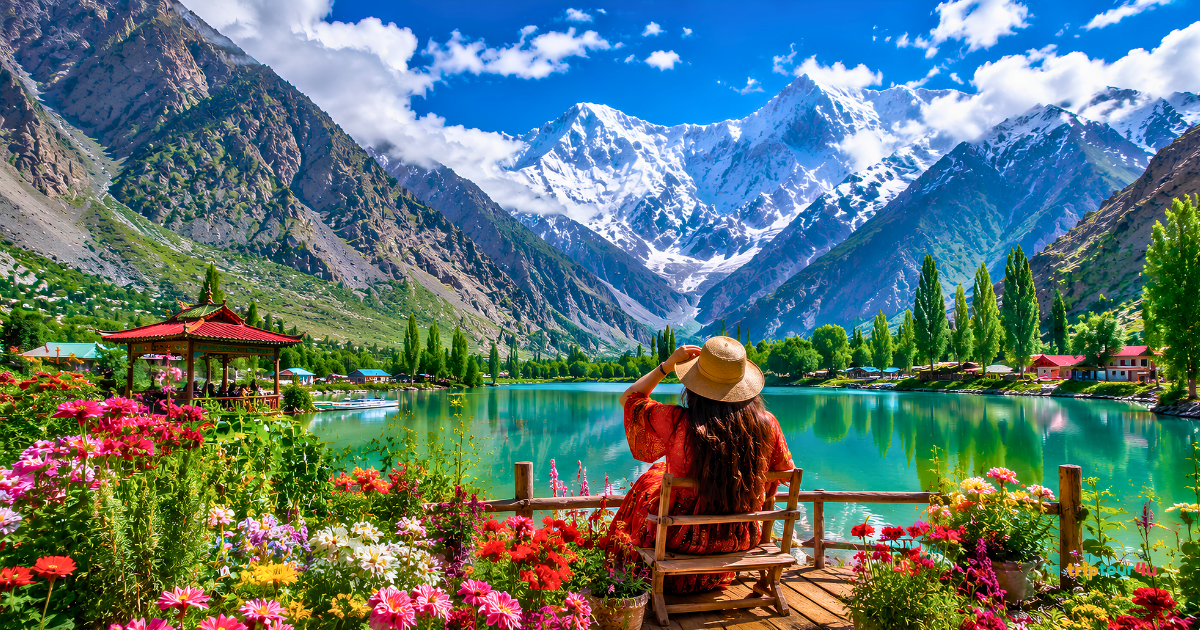
Top Instagram-Worthy Places in Pakistan
Pakistan’s north is in its best photogenic moment right now. The snow has cleared the passes, and alpine meadows have either bloomed or turned gold. Glacial lakes are full, and two of Pakistan’s biggest cultural festivals, the Kalash Uchal Festival and Shandur Polo Festival, fall in August. This is also the peak of the monsoon in lower valleys. So, road conditions are just as important as the scenery to consider when planning your shots. The guide will cover the top shots, the times to capture them, and the current conditions on the ground.
Why August is a split season in Pakistan
Top Instagram-Worthy Places in Pakistan
Photographers are more concerned with August’s unpredictable weather than any other month.
Gilgit-Baltistan (Hunza, Skardu, Deosai, and Fairy Meadows) is largely located in the shadows of the Himalayas and Karakoram. It is for this reason that seasoned tour operators consider it the safer and more reliable northern route in August.
Khyber Pakhtunkhwa’s lower valleys (Swat, Naran-Kaghan, and Neelum) and the Karakoram Highway are directly under the monsoons’ currents coming up from the Bay of Bengal. Pakistan’s Meteorological Department issued repeated flash flood and landslide alerts throughout the summer of 2026. Roads including the Babusar Highway, the Karakoram Highway, and other roads have been closed multiple times this season because of mudflows, flooding, or landslides. The most recent closure was in August 2026, when the two routes were both shut at the same time near Chilas. The closures don’t happen only occasionally; they occur every time a rainy spell passes through during the monsoon season (roughly from July to September).
This means in practice: The destinations listed below are absolutely worth the chase this season. However, you should be flexible. Avoid driving in heavy rain or right after it. Also, don’t plan a return trip through one mountain pass on the same day.
Gilgit-Baltistan—The reliable core of the season
1. Hunza Valley — Karimabad, Attabad Lake & Duikar
Hunza is the region of Pakistan that gets the most attention. The valley looks its best in August: the terraced fields and Hunza River are at their greenest.
- Attabad Lake—a turquoise 21-kilometer-long lake created by an avalanche in 2010. Popular for jet-skiing and taking reflection photos of the surrounding cliffs. It is one of the most popular locations to photograph in Pakistan’s north.
- Karimabad & Baltit Fort: The 700+-year-old fort offers a panoramic view of the valley. Pair it with nearby Altit Fort, which dates back over 1100 years.
- The Duikar viewpoint is located above Karimabad, and it’s the locals’ favorite spot for sunrise. Ascend before sunrise to see the sun first hit Golden Peak, and then move across the eight summits in slow motion.
Hunza can be reached by the Karakoram Highway (approximately 600 km) from Islamabad or via Gilgit and a brief drive. Check the current situation before departing, as the KKH is closed in the monsoon season further south. Hunza’s weather conditions are rarely affected after you pass the landslide-prone Chilas/Diamer section.

2. Passu Cones & Hussaini Suspension Bridge
The jagged “Passu Cathedral,” a few miles north of Hunza, is one of Pakistan’s most iconic skylines. Hussaini Suspension Bridge, a wooden plank and cable structure that swings over the Hunza River in nearby Hunza, is so famous on Instagram it has its own hashtag community. It is best to cross it in the morning, when the light will be calmest and there will be fewer people. The planks can be uneven and have gaps, so make sure you pay attention to your feet and not your phone.

3. Fairy Meadows & Nanga Parbat
Fairy Meadows lies at the base of Nanga Parbat, the ninth highest peak on earth. It is one of the “cleanest” views of the North. To reach the area, you must first take a Jeep up the narrow mountain road, followed by an hour-long hike through the pine forests. You will be rewarded with open alpine pastures and a clear, unobstructed view of an 8000-meter mountain peak.
It is not an overnight excursion but a real trip. The majority of visitors stay at small guesthouses or camp in the meadow so they can catch the sunset and the alpenglow.
4. Skardu—Shangrila Resort Upper Kachura Lake and Basho Valley
Skardu, Pakistan’s gateway to the highest terrain: K2, Karakoram Giants, and Deosai can all be reached from here. The city is divided into three parts:
- Shangrila Resort—famous for the red-roof restaurant that is built in an old plane fuselage, located beside a lake reflecting mountains. Although it’s highly touristy, the image is one of Pakistani content that has been shared most.
- Upper Kachura Lake—glacier-fed, turquoise, and with pine-covered slopes. Quieter than Shangrila’s lower lake.
- Basho Valley—Located about 1.5-2 hours by 4×4 from Skardu, this tranquil and forested area is a popular destination for those who want to experience the “green Skardu” look but without the crowds.
5. Deosai National Park – Sheosar Lake & the Land of Giants
Top Instagram-Worthy Places in Pakistan
Deosai offers some of the most spectacular wildlife photography in the world during this week. The park is home to 40-50 Himalayan brown bears and many more marmots. The meadows start to change from green and lush into gold hues by late August, which is what the guides refer to as Deosai’s “golden season,” lasting through September.
Deosai, at 4,100 meters above sea level, is home to the second-highest plateau in the world. The signature photo is of Sheosar Lake, one of the highest lakes on Earth, at 13,600 feet. It features a glassy lake surrounded by meadows of wildflowers with Nanga Parbat on the horizon. The best time to arrive is before 6 am, when the sun’s reflection will be the sharpest.
Notes on practicality: The road to Skardu via Bara Pani (roughly 2-3 hours in a 4×4) only opens from mid-June until mid-October. Deosai’s fragile ecosystem means that camping can only be done at designated areas near Bara Pani or Sheosar Lake. Pack real winter clothing even in August.
6. Swat Valley – Kalam & Mahodand Lake
Swat, often called the “Switzerland of the East,” is lushest in August when the Swat River (formed by the confluence of the Gabral River and the Ushu River at Kalam) runs full. Mahodand Lake is a beautiful glacial lake with a backdrop of snow-covered peaks and pine forests. It can be reached on foot or by jeep further up the valley. It’s a much shorter and easier journey from Islamabad to Gilgit-Baltistan. Expect more people, particularly on weekends.
The Pakistan Meteorological Department warns that flash floods and landslides are a risk in Swat because it is directly under the path of monsoon rains. Plan your Swat visit around the forecast and not only on your calendar.
7. Naran Lake, Kaghan & Saif-ul-Malook Lake
Naran is easily accessible from Islamabad, making it one of Pakistan’s most popular northern circuits. Saif-ul-Malook, the glacial lake that has been linked to a local legend and framed by Malika Parabat, remains one of Pakistan’s most iconic single images. Early morning is the best time to visit to avoid the crowds and to catch the midday fog that can flatten out the light by late morning.
Babusar Pass connects Naran with Chilas and then on to the Karakoram Highway. It was closed along the KKH early in August 2026 because of flooding at the zero point. Have a backup plan if your travel itinerary relies on the pass connecting valleys.
8. Chitral and the Kalash valleys—this month’s cultural highlight
This is the one place that you should add to your standard northern Pakistan photo list for this season. Chitral is located at the base of Tirich Mir (7,708 m), the highest point of the Hindu Kush. The town, with its old bazaar, fort, and Shahi Mosque alone, is worth the visit.
The Uchal Festival is the Kalash harvest festival held in Bumburet and Rumbur valleys. It will take place from August 20th to 24th, 2026. This is a cultural event that stands out because of its colorful, traditional clothing, vibrant music, and community dancing. The Kalash, an ancient, animist group, numbers around 4,000. You can expect vibrant embroidered headdresses and group dances. This is not a tourist-staged show. There are a few important things to note: Foreign visitors usually need to arrange an official NOC through a tour company to visit Chitral. And the ceremonial wine served during the festival has real religious meaning to the Kalash. It’s polite to only accept it if it is offered and not request it.
The Shandur Polo Festival is held at Shandur Pass, which has the highest polo field in the world, located above 3,700 meters between Chitral and Gilgit. The three-day event is a competition between Gilgit and Chitral teams. Mountain bikers and photographers, as well as locals, travel from far distances to watch. Traditional music and dancing are also performed alongside matches. This is a Bring-Your-Own-Tent trip, as there’s no permanent accommodation at the pass.
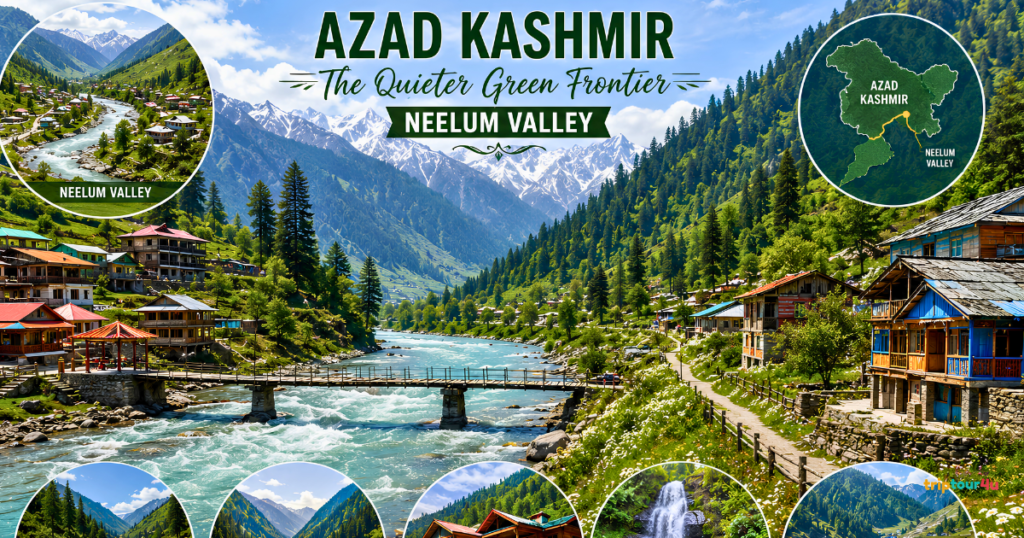
Azad Kashmir – The Quieter Green Frontier
9. Neelum Valley
Neelum’s dense pine forests and turquoise river that runs past Kashmiri villages give it a completely different feel than Hunza and Swat. It is less polished and quieter and, arguably, more atmospheric when shooting river or forest scenes. There is less tourism in Neelum than on the Gilgit-Baltistan Circuit, and this appeals to photographers who are looking for unique compositions.
Neelum, like Swat, is located in the monsoon belt that the Pakistan Meteorological Department flagged as a flash flood risk this season. (Along with Dir, Kohistan, Shangla, Buner, and the Hazara region), the same warning applies.
Tips for this Season’s Shooting
Top Instagram-Worthy Places in Pakistan
Always check road conditions the same day, and not the previous week. Both the Babusar Highway and the Karakoram Highway were closed multiple times in the last few months because of landslides or mudflows. The most recent closure was at the beginning of August 2026. The National Highway Authority and local district administrations provide updates when conditions change. Include a buffer day in any itinerary that relies on one mountain pass.
Distance is not as important as altitude. Deosai and Shandur are both above 4,100m, but you can get an altitude illness if your flight from Islamabad was direct. You should spend a few days in Skardu and Gilgit instead of pushing through.
Location-based light strategy:
- Sheosar Lake & Attabad Lake—sunrise before the wind breaks down the reflection.
- Early morning Duikar and Passu before the afternoon fog builds up over the mountains.
- Saif-ul Malook—as early as you can, as it becomes crowded by midday.
- Fairy Meadows – both sunrise and sunset, as Nanga Parbat will most likely be clear at either time.
Notes on Gear: Telephotos (300mm and longer) are recommended for wildlife photography in Deosai. Wide-angle lenses and tripods can be used to capture the night sky and lake reflections at Fairy Meadows or Deosai.
Be respectful of local customs. Especially in the Kalash Valleys, during Uchal, ask permission before taking photos and do not use photo props like the wine offerings.
The Picks of the Season
Top Instagram-Worthy Places in Pakistan
You can find out more about the location by clicking here. Signature Image: The Best Light Seasonal Status
| Location | Signature Shot | Best Light | Season Status |
| Hunza (Attabad Lake, Karimabad) | Turquoise lake + Karakoram peaks | Sunrise (Duikar) | Reliable, dry |
| Passu Cones & Hussaini Bridge | Cathedral peaks over swaying bridge | Early morning | Reliable, dry |
| Fairy Meadows | Nanga Parbat over alpine meadow | Sunset & sunrise | Reliable; requires trek |
| Skardu (Shangrila, Kachura) | Airplane restaurant on lake | Sunset | Reliable, dry |
| Deosai / Sheosar Lake | Lake reflection + wildflowers/bears | Before 6 a.m. | Peak season, open until mid-Oct |
| Swat (Kalam, Mahodand) | River + pine forest + lake | Morning | Monsoon-affected—check forecast |
| Naran / Saif-ul-Malook | Glacial lake below Malika Parbat | Early morning | Babusar Pass currently closed intermittently |
| Chitral / Kalash Valleys | Uchal Festival (Aug 20–24) | Midday festival hours | Cultural peak this month |
| Shandur Pass | World’s highest polo ground | Daytime matches | Festival window, August |
| Neelum Valley | River through pine forest | Morning | Monsoon-affected—check forecast |
FAQs
Top Instagram-Worthy Places in Pakistan
Does August make a great time for photographers to travel in northern Pakistan?
It depends on the region. Gilgit-Baltistan (Hunza and Skardu) is in the rain shadow and remains dry and sunny throughout August. This makes it the best place to photograph right now. Khyber Pakhtunkhwa’s lower valleys (Swat, Naran, and Kaghan) and Azad Kashmir’s Neelum Valley are directly under the path of the monsoon and experience more unpredictable weather conditions and road closures.
Is the Karakoram Highway open? Is the Babusar Pass?
The two have been closed repeatedly during the monsoon of 2026 due to flash floods, mudslides, and landslides. This included a closure near Chilas in August and the Babusar Zero Point. The roads usually reopen in a few days after the debris clearing crews are done, but this can change quickly. Check with the National Highway Authority and local district administration the day before you travel, rather than relying solely on previous information.
When is the best day of the week to photograph Sheosar Lake or Attabad Lake?
Before sunrise, around 6-7 am. By midday the wind picks up and destroys the reflections.
Is a visa required to attend the Uchal Festival or visit the Kalash valleys?
Pakistani citizens do not require a visa for Chitral and the Kalash valleys. A foreign visitor will need an NOC, or No Objection Certificate. This is typically arranged as part of the booking by a travel agent.
Are brown bears safe in Deosai?
Deosai’s plateau is approximately 3,000 square kilometers and contains an estimated 40-50 black bears. Wildlife photographers can get good shots with long lenses in August, when bears are at their most active. However, close encounters and park rangers managing designated areas to protect wildlife are rare.
Is a 4×4 car required for Deosai or Fairy Meadows?
Both are necessary. Only 4×4 cars can drive the road between Skardu and Deosai, while Fairy Meadows is reached by jeep up a mountain trail, followed by either a pony ride or a hike.
How should I prepare for high altitudes like Deosai or Shandur?
Wear warm layers, no matter how hot the weather is down below. Deosai lies above 4,100 meters and Shandur at 3,700 meters. Night temperatures in both places drop dramatically even during August. Anyone camping near Sheosar Lake and Bara Pani should bring a sleeping bag that is rated to withstand sub-zero temperatures.
What is the date of the Kalash Uchal Festival 2026?
The festival will take place between August 20 and 24 in the Bumburet Valley, Rumbur Valley, and Birir Valleys, near Chitral.
Does it seem disrespectful to take pictures of people during the Uchal Festival?
Before taking photos, ask before you do. Also, treat the ceremonial items, such as the wine rituals, that have religious meaning, more like sacred objects than just photo props. Do not ask for it, but accept if you are offered.
What is the most rewarding destination for a quick trip?
Hunza. Hunza offers the best weather this winter, with the least amount of risk (no dangerous passes), as well as the greatest concentration of photogenic locations—Attabad Lake and Karimabad.
The conclusion of the article is:
Top Instagram-Worthy Places in Pakistan
In August, travelers to Pakistan should make their plans based on the weather and not the calendar. Gilgit-Baltistan—Hunza, Skardu, Deosai, and Fairy Meadows—is a reliable choice this season. The landscapes are beautiful, and the conditions tend to be drier. These areas offer a greater chance to avoid monsoons, which can disrupt the Karakoram Highway.
Swat, Naran, and Neelum Valley are worth visiting as well. Check road and weather conditions prior to traveling. Avoid planning an itinerary that is too rigid during August. Conditions are subject to change rapidly.
The month of August offers a variety of cultural events. During the second half, the Kalash Uchal Festival takes place and the Shandur Polo Festival. The second half of the month is a great time for photographers to capture stunning landscapes and vibrant local cultures.
Gilgit-Baltistan is a good option if the weather forecast looks poor. The Kalash valleys are a great option if you are able to travel from August 20 through 24.