


Swat Valley Travel Guide
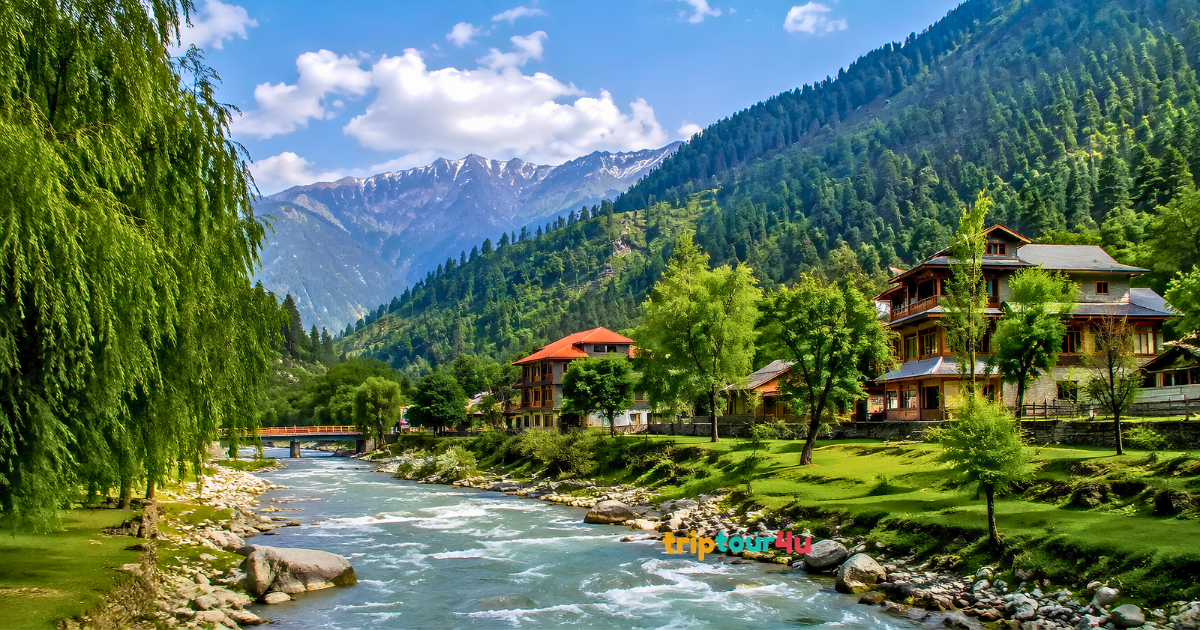
Swat Valley, nestled in the Hindu Kush mountains of Khyber Pakhtunkhwa, is one of South Asia’s most captivating mountain destinations. After Queen Elizabeth II visited in 1961, it was nicknamed “Switzerland of the East.” More than 60 years later, this comparison is still valid. Terraced fields climb green hillsides. A turquoise river runs through pine forests and snow-dusted mountains on the horizon.
This guide is different from the generic lists of “top 10” because it is based on actual season-specific decisions. It’s not just a list; it is a seasonal-specific decision-making tool. You can see what the weather is like at each location in August and December. Here’s a data-driven breakdown of Swat Valley, including its geography, seasons, best spots, and practical logistical information for getting to and around the valley.
What is SWAT, and why does it matter?
Swat Valley Travel Guide
Swat Valley is located in Khyber Pakhtunkhwa Province, Malakand Division. It’s approximately 230-250 km (about five hours by car) north of Islamabad. The area is approximately 5,337 sq km and home to 2.3 million people. It is formed by the Swat River, which flows from the Hindu Kush glaciers and runs through the valley. The Swat passes through towns in a north-south spine, starting with Mingora, Saidu Sharif, Madyan, and Bahrain at its base and Kalam higher up. Malam Jabba, a hill station ecosystem to the east, branches off from the Swat.
The elevation gradient of Swat will help you plan your trip because it’s not just one climate, but several.
- >Mingora/Saidu Sharif (roughly 970 meters): Behaves as a hilly town with a hot climate in the summer.
- >Malam Jabba (2,800 meters above sea level): a completely different alpine region even when Mingora sweats.
- >Kalam and the Upper Valley
Due to this stacking of mountains, Swat can be a destination for all four seasons. This is rare among Pakistan’s northern valleys, which, in most cases, are summer only.
The Best Seasons to Visit: A Breakdown by Season
Spring Travel and Blossoms (March to May)
Swat Valley Travel Guide
Springtime is ranked as one of the most popular times to travel. The orchards are in a variety of shades from pink to white. Meadows also turn green quickly. Daytime temperatures range between 10 and 25 degrees Celsius depending on the elevation. The rain is not heavy, and the roads are generally safe. It is the best time to make reservations. Hotel rates, especially in Malam Jabba, are at their lowest from March until May before summer prices rise. Spring is the best time to visit if you want to do some hiking and photography.
The Summer Season (June to August) is the peak season for crowds.
The valley is crowded from June to August, when people migrate up north in order to escape the 40-degree heat of the Punjab and Sindh plains. Upper Swat, which includes Kalam and Malam Jabba, is cooler. Daytime temperatures are still 25-35 degrees Celsius, while the lower Swat region (Mingora or Saidu Sharif) remains warm. It is the peak time for rivers, hiking, and lakes that are at their greenest.
Catch: August and July are monsoon seasons. August is the statistically wettest of all the months. Heavy rains may cause landslides along the upper valley roads. Avoid driving through the mountains during heavy rain or immediately after. Check local conditions before you leave Bahrain if you are traveling at peak season, particularly now, in August. The Kalam Summer Festival is a cultural event and recreation organized by the Khyber Pakhtunkhwa Tourism Corporation. It usually runs around Mahodand Lake in Kalam during the months of July and August.
Autumn (September-November): The Insider’s Favorite
Autumn is the most popular season for locals, as well as repeat visitors. The autumn months of September and October are characterized by cool and crisp temperatures (roughly between 15 and 25 degrees Celsius), amber and golden foliage, better visibility at a distance, and—most importantly—no monsoon volatility. After the peak of summer, the crowds are noticeably thinner, making autumn the best time to visit Kalam or Mahodand if you want to avoid the traffic of jeeps.
Winter (December-February), Snow, Skiing and A Different Kind Of Beautiful
The upper valley becomes a snow sports destination during winter. Malam Jabba is Pakistan’s largest ski resort. It becomes the hub of activities, offering skiing, snowboarding, and chairlift rides in a snowy, alpine environment. Traveling to the higher elevations requires caution and warm clothing. A 4×4 is often required. Lower Swat, including Mingoora, Saidu Sharif, and Buddhist sites, is accessible all year round and has mild temperatures. Winter can be a great time to explore, even if it’s colder.
Traveler Type Quick Verdict:
- Spring (April-May): Want mild temperatures and green grass with little rain?
- Don’t worry about crowds if you want to enjoy the summer with your family. (June – early July before monsoon season)
- Autumn (September to October): Want better photography, fewer crowds, and more stable weather?
- Winter (December to February)
Swat Valley’s Top Tourist Attractions
1. Kalam Valley – The crown jewel of Upper Swat
Kalam is located about 99km north of Mingora, and it’s the perfect base to explore Upper Swat. The Swat River runs noticeably cooler and cleaner than its counterparts downstream. It is characterized by dense pine forests, lush meadows, and gushing streams. Kalam is home to the largest selection of hotels at mid-range prices in the upper valley. It also serves as the starting point for Ushu Forest and other attractions such as Gabral Lake, Utror Lake, Matiltan Lake, and Utror. The best time to visit is April-September for pleasant temperatures during the day. Winter access is possible, but it’s cold and sometimes drops below -5°C.
2. Mahodand Lake – Turquoise Water from 9,500 feet
Mahodand, Swat’s glacial lake, is located approximately 35 km beyond Kalam along a mountainous track. A 4×4 vehicle or hired jeep is highly recommended. Snow-covered peaks and pine-covered hillsides surround the turquoise water. The main attractions are boating, fishing for trout, and camping by the lake. The best time to visit is from late spring until early autumn, when temperatures are between 12 and 20°C and the road access is open. In winter or after monsoon rainfall, the route may close.
3. Malam Jabba – Ski Resort and Alpine Hill Station
Malam Jabba, located 40-45 km from Mingora, is Pakistan’s most popular ski resort. It has a chairlift and groomed slopes. A new addition, the Green Valley Adventure Park, offers zip-lining, among other activities, all year round. Winter is the snow sports hub of the area; summer brings cooler temperatures, ridge walks, and pine trees. The hotel rates are affected by the season, and both winter weekends as well as summer’s peak command premium prices.
4. Mingora & Saidu Sharif – The cultural and historical core
Mingora, Swat’s biggest city, is also its commercial center. It has bustling bazaars that sell embroidered shawls and handicrafts. The archaeological remains of Butkara Stupa are located in the middle, not without irony, of the city. Saidu Sharif, the twin city, is both the administrative center and the home of the Swat Museum. The museum houses a collection of Gandharan-era statues as well as Buddhist relics that document the valley’s past identity of ancient Uddiyana. Saidu Sharif is also connected to Islamabad by PIA flights, which makes it a convenient entry point for those who prefer flying over driving.
5. Marghazar White Palace – The Valley’s Princely Era
The White Palace, located a short distance above Mingora and surrounded by cool orchards, was once the residence of Swat’s ruling family. This architecturally fascinating stop is a nice break from the riverside crowds. It also looks at what Swat was like before 1969, when it was a semiautonomous state.
6. Jahanabad Buddha Rock Carving – A 7-Meter Cliff Sculpture
This carved Buddha, reportedly the biggest of its type in Central Asia following the Bamiyan Buddhas, hangs from a rock wall above a small terrace. The face of this carved Buddha was damaged years ago by extremists, but it has been restored. It is one of Gandhara’s most visible pieces of Buddhist history.
7. Bahrain and Madyan – Riverfront Towns & the Gateway North
Bahrain is located at the confluence between the Swat River and the Daral River and serves as a convenient jumping-off point to upper Swat. Even if you are heading further north, a visit to the area is worth it. There are many cafes along the river, as well as short walks into nearby hills and trout dishes. Madyan is a little downstream and has the same riverside feel, but with a more quiet, local feeling.
8. Miandam – The Quiet Alternative
Miandam, a pine-covered, cool escape, is popular with travelers looking for scenery but without the crowds of tourists that are at the Valley’s main attractions.
9. Ushu Forest—Dense Pine Forest Near Kalam
Ushu Forest, located near Kalam and at its most lush from May to October after the rains, is a short drive away. This is a popular destination for picnics and short walks through the forest. In winter, it becomes a peaceful, snow-covered retreat.
10. Kundol Lake & Gabin Jabba – For those who want to go further.
Kundol Lake is located around 19km north of Utror. It’s a large alpine water body that can be reached by those who are willing to exert more effort. Gabin Jabba, with its expansive meadows, is accessible once snow melts in warmer months. These two options are best for travelers who have already completed the Kalam-Mahodand circuit and wish to explore something more off the beaten track.
11. Fizagat Park—A Riverside Stop near Mingora
The Swat River is a convenient green area that requires little effort. It’s a great place for a quick break, a picnic, or to watch the river.
Swat Valley is accessible by road.
Swat Valley Travel Guide
From Islamabad, the most popular route is via the M-1 Motorway. The route from Islamabad is via the M-1 Motorway to the Capt. The total travel time to Mingora is usually 4-6 hours in a sedan.
From Lahore and Karachi by road: A longer road trip is possible, but it’s usually divided into several stops in Punjab (Multan, Sargodha, and Faisalabad). There are now several long-distance operators that run Wi-Fi-equipped, air-conditioned buses for this route.
Travel by air: PIA offers flights from Islamabad and Saidu Sharif that reduce travel times for people who would rather not drive.
How to get around in the valley? Once you pass Mingora and are on the upper valley tracks that require 4×4 vehicles, a private car or a hired jeep is highly recommended. Public transport is available, but it’s not flexible enough for multiple-stop routes.
What to Do in the Area
- >Mingora: The most convenient base to lower Swat, the Buddhist heritage sites, and the largest range of hotels.
- >Kaam: The preferred base to explore upper Swat. Riverside Hotels and the closest hops to Mahodand or Ushu Forest.
- >Bahrain, Madyan, and the Mid-Valley: Quieter and cheaper alternatives in these two countries.
- >Malam Jabba: Resort-style accommodation aimed at winter skiers and summer hill-station tourists.
Malam Jabba is at its most popular during the winter months, especially between June and August. Prices and demand will be high.
What to Eat
Swati food is hearty, simple, and mountainous. Do not leave without tasting:
- >Chapli Kebab—Spiced minced meat patties. A KP speciality
- >Enjoy the freshest trout straight out of the streams and rivers in the Valley, particularly around Kalam, Bahrain
- Kabuli Pulao—and the traditional Pakistani Karahi
- >Small family restaurants serving local bread and cheese in Mingora and Kalam
Budget expectations
Swat Valley Travel Guide
Swat is still affordable compared to other mountain destinations in Asia. Private multi-day tours that include accommodation, transportation, airport transfers, and a guide (as well as breakfast) usually start at Rs. For shorter journeys, the price range is Rs. For longer trips or premium tours, the range is between 150,000 and 285,000. Budget travelers doing it independently—guesthouses in Mingora, public or shared transport, and local eateries—can get by on considerably less. Hotel rates are still at their lowest levels in spring so that you can get the most for your money.
Safety Tips and Practical Advice
Swat Valley Travel Guide
Since the insecurity of early 2010, Swat has seen a significant improvement. The valley is now flooded with domestic tourists and a growing number of international ones. As with anywhere, you should take sensible precautions.
- >Cash is essential. ATMs become scarce once you pass Mingora into the upper valley.
- >Even in the summer you should still wear warm clothing, as upper Swat and Malam Jabba are colder.
- >During monsoon (July to August), pay attention to weather reports. Landslides and slippery road conditions are real risks on the Kalam-Mahodand route.
- >For winter travel to Malam Jabba, a 4×4 vehicle is recommended, if not essential.
- >The valley has seen a significant increase in mobile coverage, and Wi-Fi is available throughout the majority of it. However, connectivity may still be patchy on the side valleys.
- >Respect the local culture—Swat, a conservative area, is known for its modest clothing, especially outside of tourist hotspots.
- >Leave No Trace etiquette is important. Avoid littering around lakes and meadows, which are the most popular tourist destinations.
Travel advisories issued by some governments still advise caution when traveling to certain parts of the region. It’s important to check your government’s latest guidance, as these are regularly updated and may differ from what visitors on the ground report.
Sample Itinerary for 5 Days in Swat Valley
Swat Valley Travel Guide
—Day 1, Islamabad to Mingora: Travel up the Swat Motorway and check in at a Mingora hotel. Spend the afternoon visiting the Butkara Stupa, as well as the Mingora Bazaars.
—Day 2: Saidu Sharif & Marghazar: Visit the Jahanabad Buddha sculpture in the morning, then the Swat Museum, before spending the afternoon at Marghazar’s White Palace.
—Day 3, Mingora-Kalam via Bahrain and Madyan. Lunch by the river in Bahrain before continuing to Kalam.
—Day4: Mahodand Lake and Ushu Forest. Full-day jeep trip to Mahodand Lake for lake and boating views.
—Day 5—Malam Jabba to Islamabad: Drive back from Islamabad via Malam Jabba, stopping at the mountain chairlift for views of the mountains (or ski slopes in winter).
For travelers who want to explore further, you can extend the trip to seven days and add Kundol Lake or Gabin Jabba. You could also take a side trip to Kumrat Valley.
Last Word
Swat Valley Travel Guide
Swat is unique among Pakistan’s northern valleys because it offers so many different experiences. It’s so close to Islamabad (about 5 hours away by car or a short flight) that it can be enjoyed as a weekend getaway or for a week. The valley offers a new experience every month, whether you are looking for spring blooms, relief from summer heat, or golden autumn light. If you are traveling during the monsoon season, you will need to plan your trip around that.