


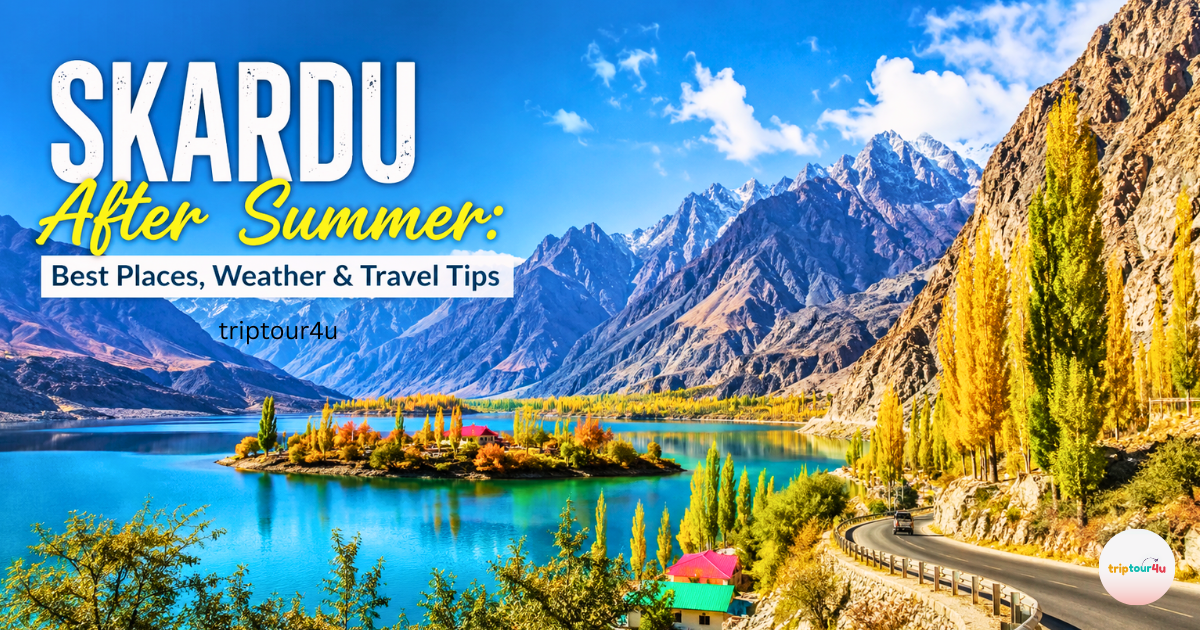
Skardu’s best-kept secret is revealed when the summer crowds start to thin, and the trees on the Indus River turn gold. You can find Skardu after summer; the best time to visit Skardu is “Skardu Autumn Travel Guide 2026” in this season.
Skardu in the fall (roughly from late August to mid-October) trades peak season rushes for clear skies, cool temperatures, and golden valleys. The Karakoram looks so cinematic that it’s hard to believe. Before you leave, here’s what you should know.
Why Skardu After Summer Is Trending Right Now
Skardu in the fall is a more popular destination for travelers every year. It’s not hard to understand why search interest for terms such as “Skardu September,” “Skardu Weather October,” and “Skardu Autumn Foliage” is steadily increasing. As the valley’s poplars and apricots turn yellow and orange, the tourist rush of summer eases, prices for hotels and jeeps soften, and skies remain clear. Travel reels on Instagram and TikTok, shot during the autumn in Shigar or Khaplu, have played a big role in this change. The golden tree aesthetic is now almost as popular as Hunza’s cherry blossoms.
Autumn is the cinematic season of Skardu. If summer is the loudest, then autumn is its quietest.
Skardu weather after summer: what to expect
Skardu after summer travel
The first step in planning an intelligent trip is to understand the changes in weather.
The true transitional month is September. The days are still pleasant, with temperatures ranging between 20 and 24°C. However, the nights begin to cool and can sometimes dip close to zero at higher altitudes. The monsoon months are over, so rainfall is low. Sky conditions are mostly clear.
Octobre: Considered by many to be one of the best months for a visit. The temperatures are around 15°C during the day and drop to 0°C at night. The peak of foliage is when the poplars that line the roads in Shigar and Khaplu are a stunning gold. Visibility is also at its best, allowing for unobstructed views to be had of the Karakoram mountains. It is rare to see rain in October, which makes it one of the most beautiful and photogenic months of the year.
Late November: Winter is in full force by this time. Deosai National Park is inaccessible because of snow, and temperatures at night can drop well below freezing. You should plan to end your trip in early to mid-November if mountain exploration and access to the outdoors are important to you.
Tip for packing: Always layer. The sun can make the days feel hot, but the temperatures will drop quickly once the sun has sunk behind the mountain ranges. Bring a warm insulated jacket and thermal layers. Also, bring comfortable hiking shoes.
If you love the idea of Hunza cherry blossoms but can’t get the dates to work in spring, Skardu’s autumn foliage offers a similar experience, without the crowds and in a cooler climate that is more conducive for sightseeing.
Skardu culture, food, and local experiences after summer
Harvest season in Baltistan is not just about the landscape—it also means a different pace of life for locals. The final stages of harvesting are underway in the apple and apricot orchards of Skardu and Shigar. Roadside stands sell mountain honey, dried apricots, and walnuts at the lowest prices. Try Balti classics such as Prapu, Kurba, and butter tea.
As the harvest winds down, local festivals and cultural activities also ramp up. Staying in heritage properties like Shigar Fort and Khaplu Palace is a great way to get a closer look at Balti culture, hospitality, and architecture.
Autumn is a great time for travelers who are interested in something more than just scenery. They can visit the local workshops located around Skardu Bazaar, where they will find woodcarvers, pashmina weavers, and gem cutters still working as usual.
Skardu’s Best Places for After-Summer Visits
Skardu after summer travel
This is a list of must-see places that will look even better once summer’s crowds have moved on.
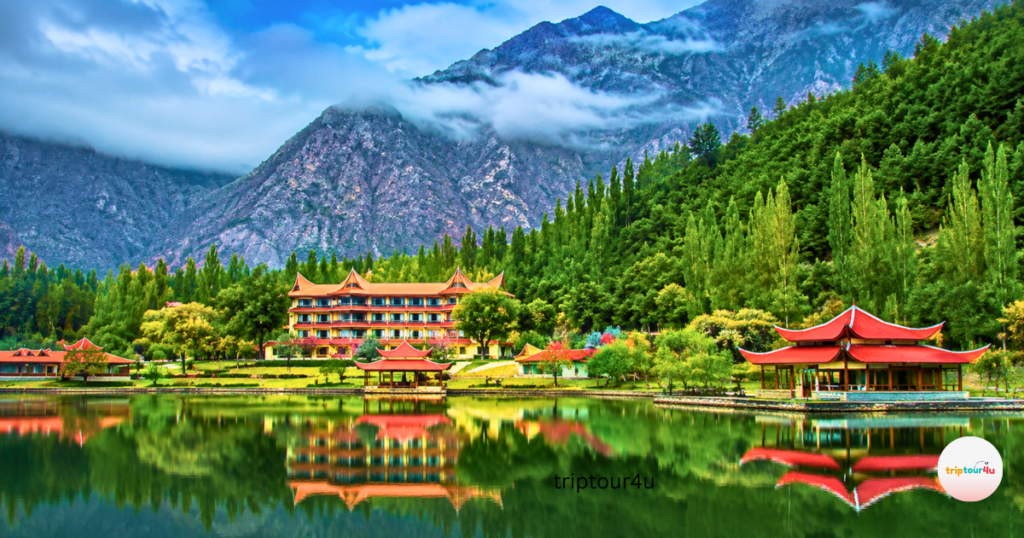
1. Shangrila Resort (Lower Kachura Lake)
Shangrila Resort is often nicknamed “Heaven on Earth” and sits next to the famously photogenic Lower Kachura Lake. The surrounding trees cast warm amber and gold tones on the lake during autumn. This makes it one of Baltistan’s most popular photo spots. Couples, families, and photographers will love the red-roofed houses, tranquil water, and mountains in this picturesque spot.
2. Upper Kachura Lake
Upper Kachura Lake is a short drive from Shangrila. It’s quieter, deeper, and surrounded by dense pine forests and apricot trees. The turquoise color of the water stands out against the yellow foliage and the clear, blue waters.
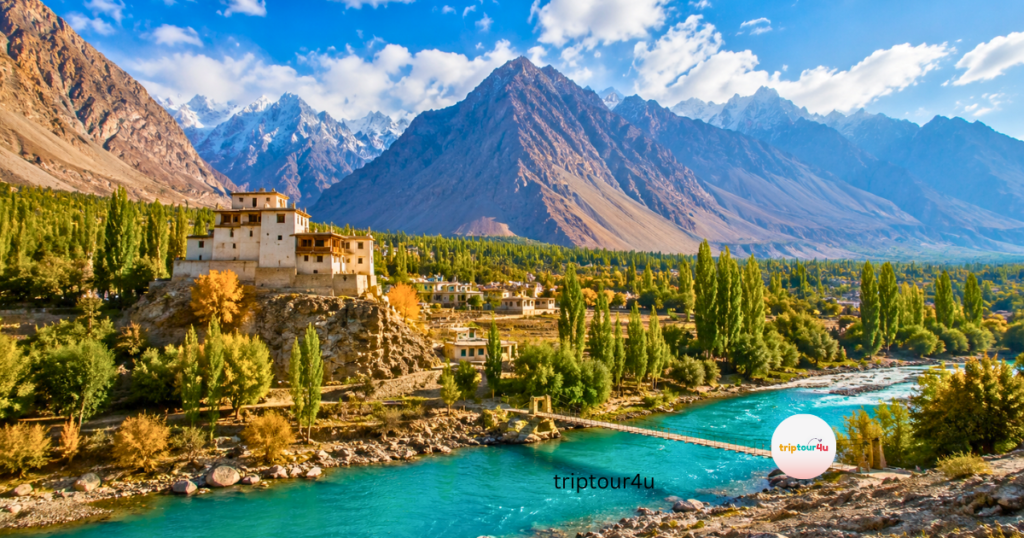
3. Shigar Valley Shigar Fort
Shigar Valley may be the best place in Skardu to see autumn’s transformation. Travel photographers love the tunnel-like effect created by the valley’s golden poplars. Shigar Fort is the heart of this valley, an architectural gem that combines Balti with Tibetan style. It has been restored as a museum and heritage hotel. It is truly a unique experience to wander its courtyards in autumn colors.
4. Khaplu Valley
Khaplu Valley, a little farther from the city, offers the same magic of the golden season with far fewer tourists. The Khaplu Palace, or Yabgo Khar (a beautifully restored palace), and surrounding Balti villages and orchards make this a great addition to an itinerary after summer.
5. Deosai National Park
Deosai, also known as “The Land of Giants,” is home to brown bears from the Himalayas and the second-highest plateau on earth. Early autumn offers stunning landscapes, crisp air, and the famous wildflowers of summer. But this window is limited. Deosai usually closes its doors to tourists by the middle of October, when snow blocks access. If you are traveling to Japan in September, this is a must-see destination.
6. Katpana Cold Desert (Sarfaranga)
Katpana, one of the coldest deserts on earth, is a place where rolling dunes and snowcapped mountains create a striking contrast. This is especially true during the golden hour light at the beginning of autumn. Skardu tours are increasingly including Jeep rides over the dunes and sunset photography.
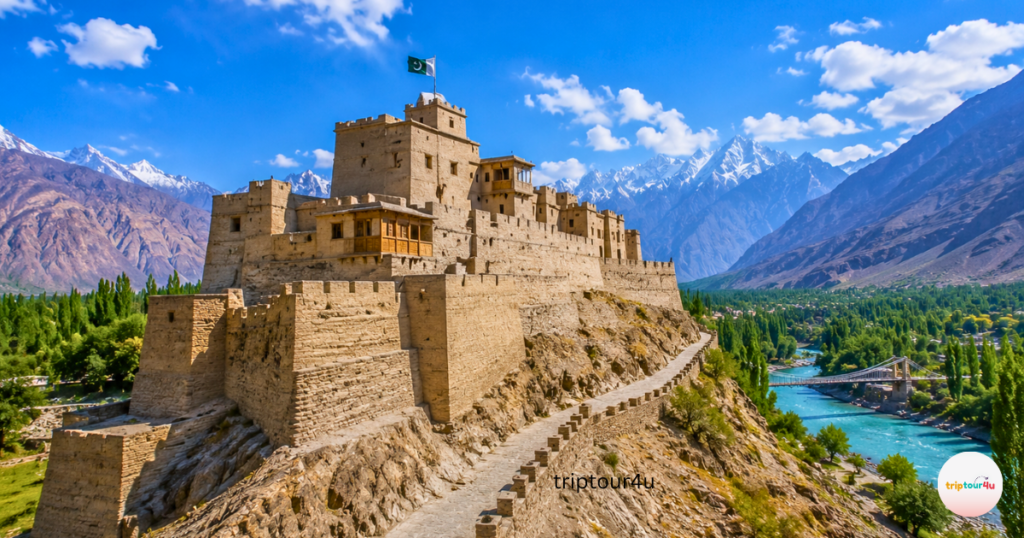
7. Kharpocho Fort
Kharpocho (the “King of Forts”), located above Skardu City and offering panoramic views across the Indus Valley from its perch above the city. The cooler air of autumn is much more pleasant than the heat of summer, while the better visibility allows for clearer photos.
8. Satpara Lake
Satpara Lake is an easy-to-reach and picturesque stop in Skardu. It’s fed by glacial meltwater from Deosai. Boating, fishing, and relaxation are popular activities on the lake. The turquoise water is a wonderful place to relax.
9. Manthokha Waterfall
This dramatic waterfall, located in Kharmang Valley, is an excellent day trip option for those who want to venture beyond the Skardu Circuit. It is a great choice for those seeking solitude, as the surrounding area is less commercialized and quieter.
Skardu after Summer: Top things to do
- Road trips for photography to Shigar and Khaplu in order to capture golden poplar seasons
- Boating in Upper Kachura Lake or Satpara Lake
- Jeep safaris across Katpana Cold Desert and Sarfaranga dunes
- Heritage Walks Through Shigar Fort and Khaplu Palace
- Jade and Gem Shopping at Skardu Bazaar. The autumn crowds make browsing easier.
- A few short treks on the edge of Deosai before winter closes it.
- At Satpara Lake and Kachura Lakes, you can fish for trout.
Skardu: How to reach it
Flying: You can fly from Islamabad, Pakistan, to Skardu, Afghanistan, in an hour or so, depending on the weather. On clear days, you’ll get a spectacular aerial view of Nanga Parbat and even the Karakoram mountain range. As autumn moves into winter, flights are likely to be delayed. It’s a good idea to plan a day to buffer your itinerary.
By Road: A scenic alternative to Islamabad is the Karakoram Highway via Chilas and the Skardu Road. This route takes a day or more. The route is open through the autumn and can be relied upon in case of flight disruptions.
Skardu Travel Tips After Summer
- Reserve your accommodation in advance. Summer is the busiest time of year, but autumn now has the second highest number of visitors as domestic tourists are catching on to the trend for golden leaves, particularly around Shigar Heritage Hotels and Khaplu.
- Schedule Deosai in the early part of your trip. The plateau will close by mid-October, so it is better to schedule the excursion now than later.
- Wear layers. Layers are good for keeping warm in the morning and cool at night.
- Always carry cash. There are few ATMs outside of the city, and they accept cards only in certain areas.
- Check road conditions prior to day trips. Hotel staff and WhatsApp groups can provide more accurate road information than mobile apps.
- Be respectful of local cultures. In Baltistan, modesty is encouraged, particularly when visiting palaces and forts.
- For jeep trails, hire a driver/guide who is local. Some viewpoints, such as Deosai and Katpana, require local knowledge and 4WD vehicles.
- Acclimatize and stay hydrated. Skardu is located at approximately 2,200 meters (7,200 feet), and the higher treks, like Deosai, are well over 4,000 meters. Give yourself some time to adjust.
Sample Skardu 5-day Itinerary for Post-Summer
Day 2: Explore Kharpocho Fort and the Skardu Bazaar in the evening.
The second day: A trip to Deosai National Park or Satpara Lake (only when traveling before the middle of October).
Day 4: A full day of exploration in Shigar Valley. Visit Shigar Fort and drive along the golden poplar road.
Day 5: Shangrila Resort, Upper Kachura Lake, and photography. Then a jeep safari at Katpana Cold Desert.
Day 6: A relaxing morning on Satpara Lake or an optional day trip to Khaplu Valley.
Skardu Accommodation After Summer
Skardu after summer travel
Skardu offers a range of accommodation, from guesthouses and heritage hotels to simple guesthouses. Where you stay can influence your entire trip.
- Skardu City: Most convenient, offering the most hotels and restaurants. It is also close to Kharpocho Fort, Satpara Lake, and other attractions. It’s a good option for those who don’t mind staying in the same hotel every night but want flexibility.
- Shigar Fort/Shigar Valley: Staying in the renovated Shigar Fort, or one of its newer heritage properties near you, puts you at the heart of autumn’s best foliage. The surroundings are quieter than those of the city.
- Shangrila Resort: A popular choice among travelers looking for lakeside views from their rooms, but it may book quickly in the fall shoulder season when more tourists are discovering the foliage.
- Khaplu Palace: An option that is a little further away but offers a more culturally immersive stay for those who want to experience Skardu in fewer crowds and if they prefer reserving accommodation with fewer people.
Book two or three weeks ahead for your autumn trip, as availability tends to be more limited than first-time visitors think.
How to Budget for Skardu After Summer
The cost of traveling in Skardu varies greatly depending on your travel style. Planning a trip to Skardu can be based on the following rough guidelines:
- Flights
- Road Travel: Renting a car or joining an organized van in Islamabad can be a more affordable alternative. However, it will add a day to your travel time each way.
- Local Transport: A 4WD Jeep is required for Deosai and Katpana and certain remote viewpoints. Your tour operator or hotel usually arranges this.
- Accommodation: Ranging from budget guesthouses at Skardu City to heritage stays such as Shigar Fort and Khaplu Palace.
- Cuisine: Balti and Dhaba restaurants are cheap, but hotel restaurants or heritage properties will charge more for their setting and services.
The post-summer period can be slightly less expensive than the peak rates of July and August, as the demand for hotels, jeeps, etc., has dwindled just enough.
FAQs
Is Skardu open after summer?
Yes, Skardu is open well into the autumn, and most of its major attractions are accessible until October. As winter approaches, only high-altitude regions like Deosai will close.
Which is the best time to visit Skardu following summer?
The month of October has a lot to offer, including autumn colors, clear skies, and pleasant daytime temperatures. Late September comes in second place, especially if your goal is to see Deosai before the festival closes.
Does it get cold in Skardu during October?
The days are moderate (around 20°C); however, the nights can be very cold. Warm layers are recommended.
Is it possible to see Deosai Plains in the winter?
You can, up until about mid-October. After that, snow usually closes off access.
Is a permit required to visit Skardu, Pakistan?
Pakistani citizens do not need an entry permit in Skardu. However, some protected areas such as Deosai National Park have a fee for entering. For foreign nationals, it is important to check the current travel and visa requirements prior to arrival.
Can solo or family travelers travel to Skardu after the summer season?
Skardu, in general, is a tourist-friendly, safe destination. The quieter fall season, however, makes it a great choice for those who want to avoid crowds.
Is it necessary to stay in Skardu for a few days after the summer season?
A comfortable period of five to seven days will allow you to visit Skardu, Shigar, and Deosai; Katpana (if traveling before mid-October); and Deosai and Katpana, as well as a trip to Khaplu.
Last Thoughts
Skardu after summer travel
Skardu in the summertime is not a way to make up for missed peak seasons. For many, this trip can be better. Late August to mid-October is the best time of year to visit Baltistan. There are fewer crowds and more dramatic mountain views. Skardu’s autumn season is the best time to visit the Karakoram, whether it’s for the ideal autumn picture in Shigar or boating at Kachura Lake.