


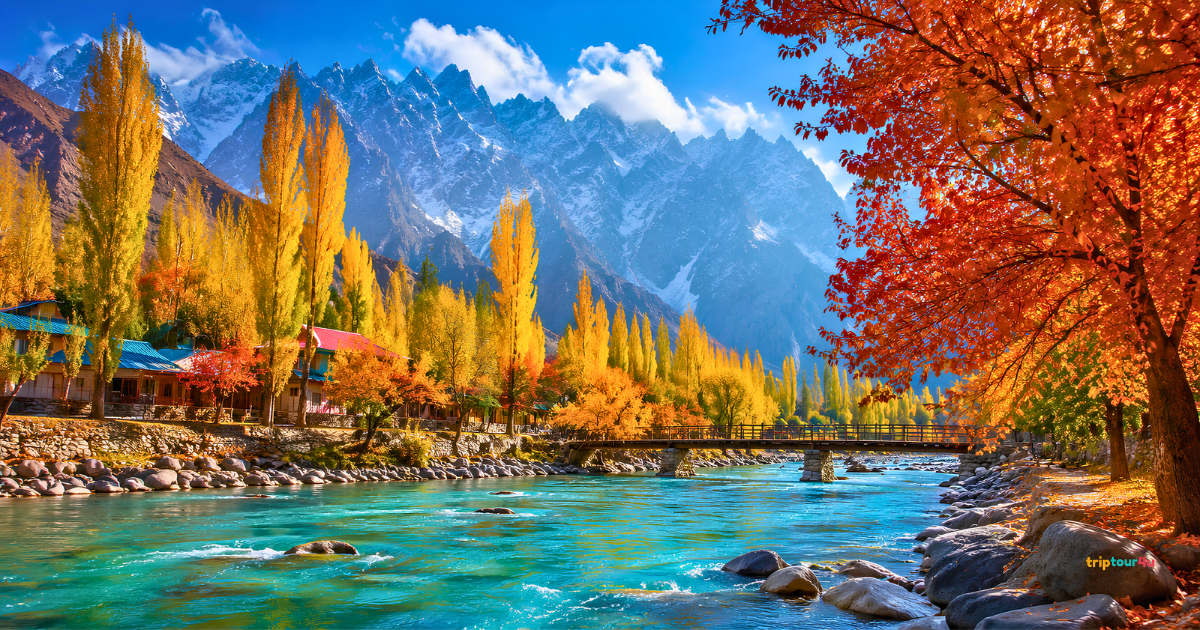
Most Beautiful Autumn Landscapes
In the Himalayan, Hindu Kush, and Karakoram ranges, every September something spectacular quietly happens. As the summer green fades, gold, amber, and rust slowly replace it. Autumn in Northern Pakistan is arguably one of the most underrated seasons in one of the most underrated regions of travel on Earth. It’s also one of the most popular searches for travel among backpackers and photographers.
Autumn is the season of color. Summer brings the crowds; spring, the cherry blossoms. The golden roads of poplars and apricots and walnuts are dripping with leaves. Glacial rivers flow in a turquoise color beneath the rust-colored hillsides. Snow-capped mountains rise 7,000 meters above fiery-colored valleys. If you haven’t been to Hunza during October, then you haven’t experienced Pakistan at its finest.
The guide takes you through some of the most stunning autumn scenery in Northern Pakistan, from the world-famous valleys to the quieter, less-traveled corners. It also includes practical advice on weather and timing.
The best-kept secret of Northern Pakistan is autumn.
Most Beautiful Autumn Landscapes
Travel guides describe the four main seasons of northern Pakistan as: a blossoming spring, a green, busy summer, a glistening autumn and snarled winter. Travel guides consistently describe autumn, roughly from mid-September to late October, as the most beautiful and peaceful season in the area. Hotel rates fall, the skies become crisper and more clear, and there is a vibrant color display in the valleys that rivals New England and the Alps.
Autumn is a great time of year for many reasons.
- —A cooler, drier climate. In most valleys, daytime temperatures hover between 5°C and 20°C with clear skies and minimal rainfall, making them ideal for hiking or photography.
- —Fewer tourists means better prices. After August, the peak-season rush and high hotel rates are gone, which makes autumn an ideal time for budget travelers, couples, and photographers.
- —Culture of harvest season. In Hunza, Chitral, and Swat, villages celebrate the apple, grape, and walnut harvests. They also dry apricots on rooftops.
- —Color itself. From late September to late October, the trees of poplar, walnut, apple, chinar, and willow turn, forming a wave-like pattern that rolls from valleys higher up toward lower ones.
Hunza Valley, the Queen of Autumn
Most Beautiful Autumn Landscapes
Hunza is the name we hear most often in Pakistan when it comes to autumn. The mountain valley along the Silk Road is a place of natural beauty and rich history. Its landscapes change dramatically as the seasons pass. Spring brings cherry blossoms; summer, lush green terraces. And in autumn, the entire valley becomes a spectacle.
Early to mid-October, Hunza’s poplars that line its terraced fields, irrigation channels, and orchards turn yellow. Apricots and walnuts become orange and rust. This creates an almost surreal valley, with gold and orange terraces set against Rakaposhi’s (7,788 m) grey granite, as well as the nearly perfect pyramid of Ultar Sa, which is often covered in fresh snow during early season.
Don’t miss:
- —Karimabad is the main city of the valley, where rooftop cafes offer the best views of Golden Peak and Rakaposhi at sunrise.
- —Baltit Fort & Altit Fort—Ancient fortresses that are over 700 and 1100 years old, respectively, offer historical insights along with panoramic valley views. It is especially impressive when orchards turn color.
- —Eagle’s Nest Viewpoint—Above Duikar Village, this is one of the most beautiful panoramas in Hunza. It includes the valley, Rakaposhi, and, on clear days, a sea of golden poplars.
- —Attabad Lake—A striking 21-kilometer turquoise lake created by an avalanche in 2010, popular for jet skiing, boating, and photography. In autumn, the teal-colored water of this lake contrasts wonderfully with the golden hillside.
- —Passu Cones and the Passu Glacier—Further north, jagged Passu Cones rise over the Hunza River. Golden willows line the edge of the river.
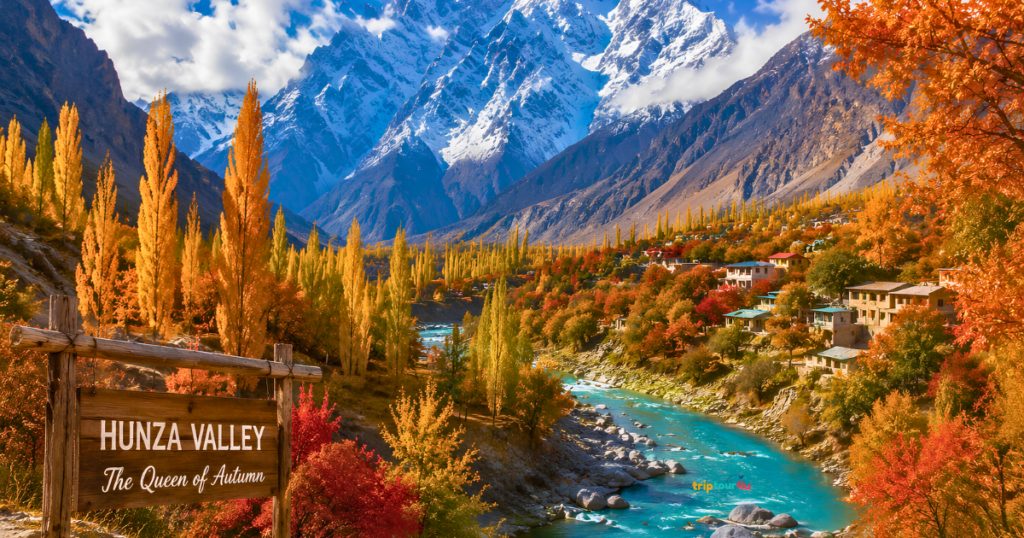
Nagar Valley: Hunza’s Quieter, Wilder Neighbor
Most Beautiful Autumn Landscapes
Nagar Valley, located directly across the Hunza River in Karimabad, is a lesser-known destination but has a similar landscape to Hunza. The terraced orchards and villages, such as Hopar, Hoper, and Minapin, turn the same golden and rust colors in Hunza’s autumn. However, there are far fewer tourists and an atmosphere that is more raw and traditional. Minapin, the starting point of the Rakaposhi base camp trek, is a popular destination for those looking to avoid the crowds. In October, however, the lower trail takes you through the region’s most vibrantly colored forests.
Fairy Meadows: Autumn Beneath Nanga Parbat
Most Beautiful Autumn Landscapes
Fairy Meadows is the alpine grassland beneath Nanga Parbat (8.126 m), which normally has a summer trek associated with it. However, autumn brings a completely new look to this area. Autumn is a time when the meadows turn golden brown; the birch trees along the trail are ablaze with amber, red, and orange; and you can see Nanga Parbat’s south face clearly, without the haze or cloud that often obscures it in summer. The jeep and hike journey is often described as being quieter, cooler, and more dramatic than the summer trip. There are also fewer people on the Nanga Parbat Base Camp trail.
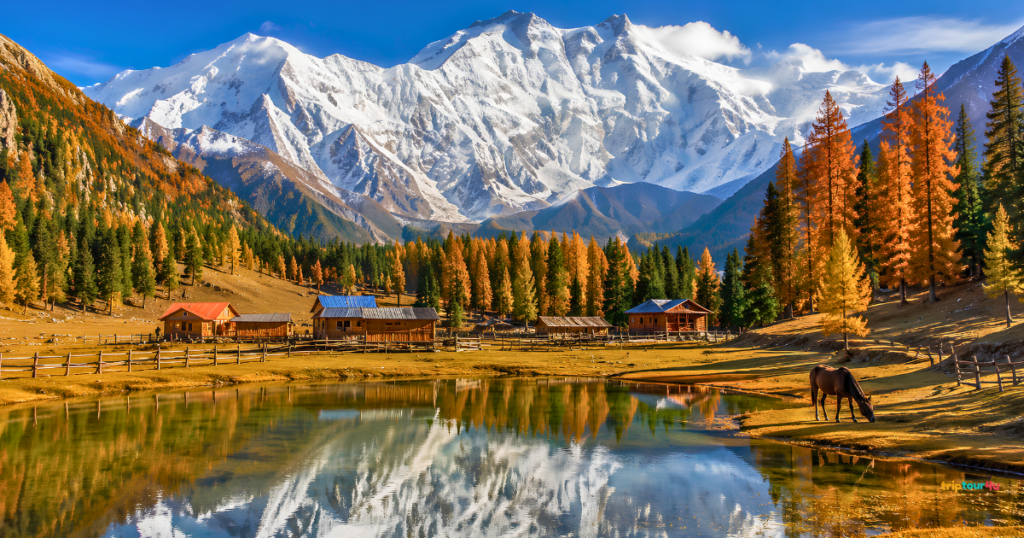
Naran, Kaghan, and Shogran—Golden Meadows and Mirror Lakes
Most Beautiful Autumn Landscapes
The Naran Kaghan Valley, as summer turns to fall, is filled with golds, crimsons, and other shades. It’s perfect for loosening up walks and nature strolls with temperatures ranging in between 5°C and 15°C. The best time to travel is September, when the roads are open and weather conditions are near perfect.
Naran Kaghan stretches along the Kunhar River, from Balakot to Babusar Top (4173 meters), and offers a vast vertical variety of terrains, rarely seen in one valley, from low subtropical hills to alpine highlands. In autumn:
- —Shogran Meadows and Siri Paye Meadows: Golden landscapes wrapped up in misty, cool mornings. The wooden huts in Siri Paye are set against the backdrop of birch and pine trees.
- —The Kunhar River: The river runs alongside trees that turn crimson or yellow as they move along the banks. Naran and Kaghan towns are particularly scenic.
- —Lake Saif-ul-Malook in autumn is usually calmer and clearer than in summer. Fewer tourists, clear skies, and fewer tourists reflect the slopes that turn around it.
Planners should take note of this important point: The upper valley, including Naran, Babusar Top, and other areas, is typically closed by November because of heavy snowfall. Book early to get the most out of the fall colors and the open road.
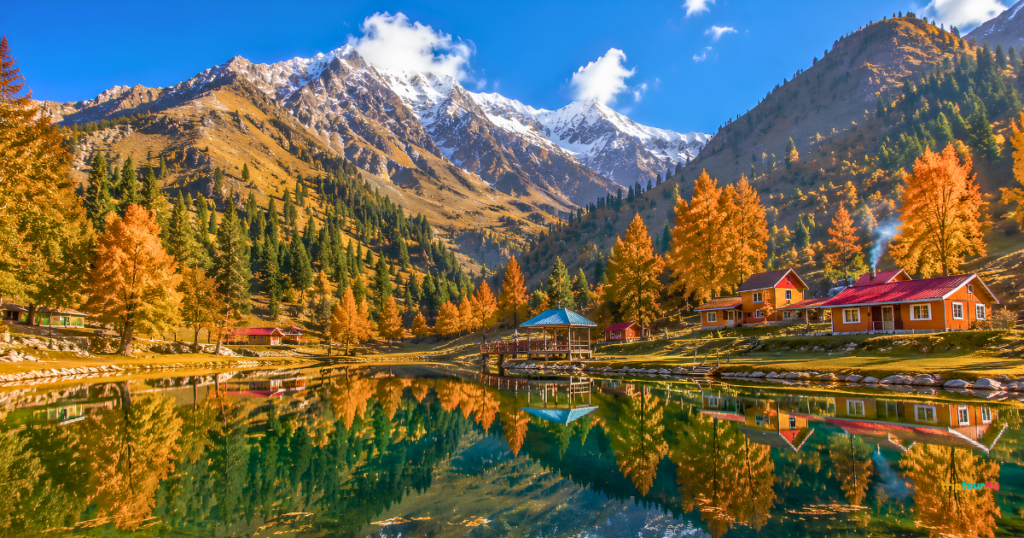
Swat Valley, the “Switzerland of Pakistan,” in Autumn
Most Beautiful Autumn Landscapes
Swat is even more beautiful in the autumn when trees adorn its hills and rivers. Swat, often called the Switzerland of Pakistan by travelers, offers a lower-altitude, easier alternative to Gilgit-Baltistan for those who are looking for stunning colors without having to endure the lengthy jeep ride.
Autumn spots to visit in Swat:
- —Fizagat Park & the Swat River—Popular picnic spots lined with autumn leaves.
- –0Ushu Forest in Kalam—A mix of deciduous and pine forest, with walking paths. The best time to visit is from late October into early November.
- —Kalam and Mahodand Lake—higher-altitude turning forests frame one of Pakistan’s most photographed alpine lakes.
Bonus: Autumn coincides with apple and persimmon season in the area. So roadside stands sell dried fruits and honey alongside fresh fruit of the season. It’s a low-key, cultural addition to an enjoyable drive.
Skardu, Gilgit-Baltistan, Deserts and Golden Forts
Autumn brings a new dimension to Skardu’s desert landscape, with its dunes and 7,000-meter peaks. Golden trees surround the famous Shangrila Resort. Shigar Fort has apricot trees that turn in the wind, and Upper Kachura Lake reflects vibrantly colored trees on its shore.
Nearby, Deosai National Park, the “Land of Giants,” one of the highest plateaus in the world, is well worth visiting during the early season. It usually closes around mid-October due to the snow and cold.
The quieter side to Gilgit-Baltistan is ideal for travelers. Bagrot Valley, near Gilgit, is a lesser-known option that offers breathtaking autumn foliage and scenic walks along the Gilgit River. It’s a popular tip for travelers looking to find “hiking paths near me” once in Gilgit. Gilgit’s bazaars, which are held in the autumn months, also deserve a visit—stocked with dried fruits and seasonal crafts.
Neelum Valley & Leepa Valley – Kashmir’s Golden Corner
Most Beautiful Autumn Landscapes
Azad Kashmir’s Neelum Valley, with its dense forests of pine trees and turquoise Neelum River, is a dramatic drive in autumn. The narrow roads that hug the river canyon are dotted with bursts and colors of red and gold deciduous and golden leaves.
Only a few miles south, Leepa Valley is less commercialized and offers a more raw version of the autumnal beauty. Traditional wooden Kashmiri homes are set among golden chinar trees. Leepa, a place that offers a truly unique autumnal landscape with low tourism, is currently one of Northern Pakistan’s best-kept secrets.
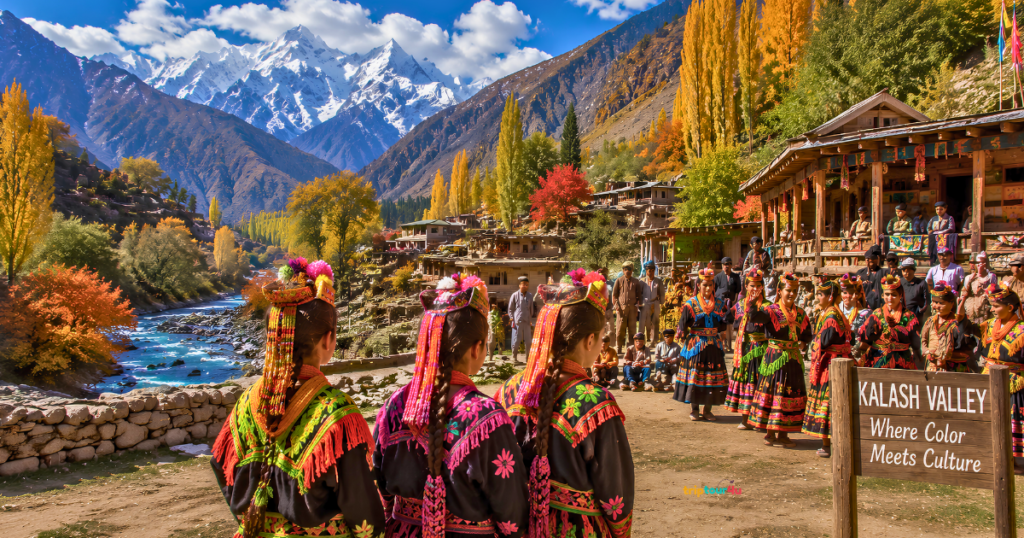
Chitral Valley and Kalash Valley: Color meets Culture
Most Beautiful Autumn Landscapes
Chitral is a hidden gem, nestled beneath Tirich Mir (7,708 m), and offers an autumnal experience that’s rich in culture. The Kalash celebrate their harvest festival in the autumn, which is a time when you can experience this unique culture. In October, the walnut and mulberry tree groves in Bumburet and Rumbur valleys, as well as Birir, turn golden, highlighting traditional Kalash wooden houses and terraced fields in a manner that is unique to Pakistan.
The Best Month to Visit: Autumn: A Monthly Breakdown
- —From early to mid-September: The higher valleys begin to cool first (Deosai Top, Babusar Top, and upper Naran); the lower valleys are still warm from summer.
- —Late September-mid-October: Sweet spot in the majority of the area. Autumn brings beautiful fall colors and clear skies with comfortable temperatures. There are also fewer tourists across Hunza and Nagar.
- —Mid-to-late October: As the higher passes close, lower valleys such as Swat and Neelum begin to peak in color. Winter makes it difficult to access many areas at high altitudes. This is the final comfortable time for driving north.
- —From November: Snow arrives early in upper valleys. Only lower-altitude destinations such as Swat and Murree are easily accessible.
The best time of year to travel in Northern Pakistan is from April through October. Autumn offers a golden backdrop. Many travelers rate the spring blooms of many countries as being more important than ever before.
Fall Travel Tips
- Dress in layers. Pack layers to keep warm in the afternoon and cool at night.
- Make sure to book early. The popularity of autumn as an alternative shoulder season to the summer is causing hotels to fill quickly during weekends with vibrant colors, from early October to mid-October.
- Keep an eye on the altitude. Altitude sickness is a serious problem in many popular tourist destinations above 3,000 meters. Ascend slowly and drink plenty of water.
- A good camera is a must.
- Safety. Northern Pakistan has a very high level of safety for visitors, with locals known for their warmth and hospitality. Standard travel precautions should be taken, as well as checking road conditions in remote areas.
- Check the road closures before you travel to Naran or Babusar Top.
A Sample 10-Day Autumn Itinerary
Most Beautiful Autumn Landscapes
Here’s an itinerary that will help travelers combine several destinations in one trip. It follows the colors as they move through the area:
- Day 2: Islamabad—Naran/Kaghan. Travel via Balakot, spend two nights in Shogran and Siri Paye, and explore Lake Saif-ul-Malook.
- Day 3-4: Naran to Gilgit by way of the Karakoram Highway. An arduous but beautiful drive.
- Hunza and Nagar, Day 5-6. From Karimabad, visit Baltit Fort, Eagle’s Nest, and Attabad Lake. Then cross to Nagar’s Hopar or Minapin Village and enjoy a more quiet perspective.
- Day 8: Passu Cones and Khunjerab.
- Skardu, Day 8-9. Fly or drive there to visit the Shangrila Resort and Shigar Fort.
- Day 10. Return to Islamabad.
If trekking is your priority, you can swap Skardu with Fairy Meadows for those who have more time. It’s important to include a few buffer days in your itinerary for late October due to the speed at which upper valleys close.
Photographing Autumn Colors: Tips and Tricks
Most Beautiful Autumn Landscapes
Photographers are drawn to the autumnal light in northern Pakistan. A few simple adjustments can make all the difference.
- —Take pictures at the golden hour. After sunrise, before sunset comes a warm, low-angle light that makes leaves of poplars and chinars glow instead of looking washed out and flat under midday sunlight.
- —Reflections are best done with water. In the mornings, lakes like Upper Kachura and Attabad give near-perfect reflections.
- —Use scale. One walnut tree, or even a stone house in front of a snowy backdrop, will communicate scale better than just a landscape.
- —Bring a polarizing lens. This filter reduces glare from rivers and lakes and intensifies the color of both the sky and leaves.
- —Take care of your equipment. Swings in temperature between sunny afternoons and freezing nights can lead to condensation on lenses. Give camera bags enough time to adjust before you shoot.
FAQs
1: What is the exact peak of autumn color in Northern Pakistan’s valleys?
The peak period for most valleys runs from late September to mid-October. However, higher altitudes like Deosai and Babusar Top and lower valleys, including Swat, Neelum, and Swat Valley, can have colors well into November.
2: Does autumn offer a better experience than spring in Northern Pakistan?
That depends on your goals. Spring (April-May) is known for its cherry and apricot blooms. Autumn brings with it golden leaves and clearer skies. There are also fewer people. Autumn is now rated by many photographers and repeat visitors as being the most dramatic.
3: Is a car standard enough for the Karakoram Highway through Hunza to Skardu?
A standard vehicle is sufficient on this route. For side trips to Nagar’s upper villages, Fairy Meadows jeep tracks, Deosai Plains, and certain Naran valleys, a four-wheel drive or hired vehicle is usually required.
4: What is the temperature at night during autumn?
Nighttime temperatures can drop below freezing in greater elevations such as Deosai and Babusar Top. An excellent sleeping bag and layers of apparel are essential.
5: Are solo travelers and foreigners safe in Northern Pakistan during autumn?
This region has a reputation for being welcoming and safe and is known to have a culture that values hospitality. It’s important to check the road conditions and safety of more remote valleys, as with all mountaineering, before you set out. You may also need to register with local authorities.
Last Thoughts—Why Autumn is Worth the Hype
Autumn in Northern Pakistan is one of South Asia’s most popular travel periods. It has been a quiet success, with many people searching, photographing, and recommending it. The region is known for its 7,000-meter-high peaks and glacier-fed river systems, as well as for centuries-old castles. It also has a unique color palette, which few other destinations can rival.
The autumn season in Northern Pakistan is a rare opportunity to see a hand-painted landscape. It’s a short time period that allows you to catch it before it vanishes.