


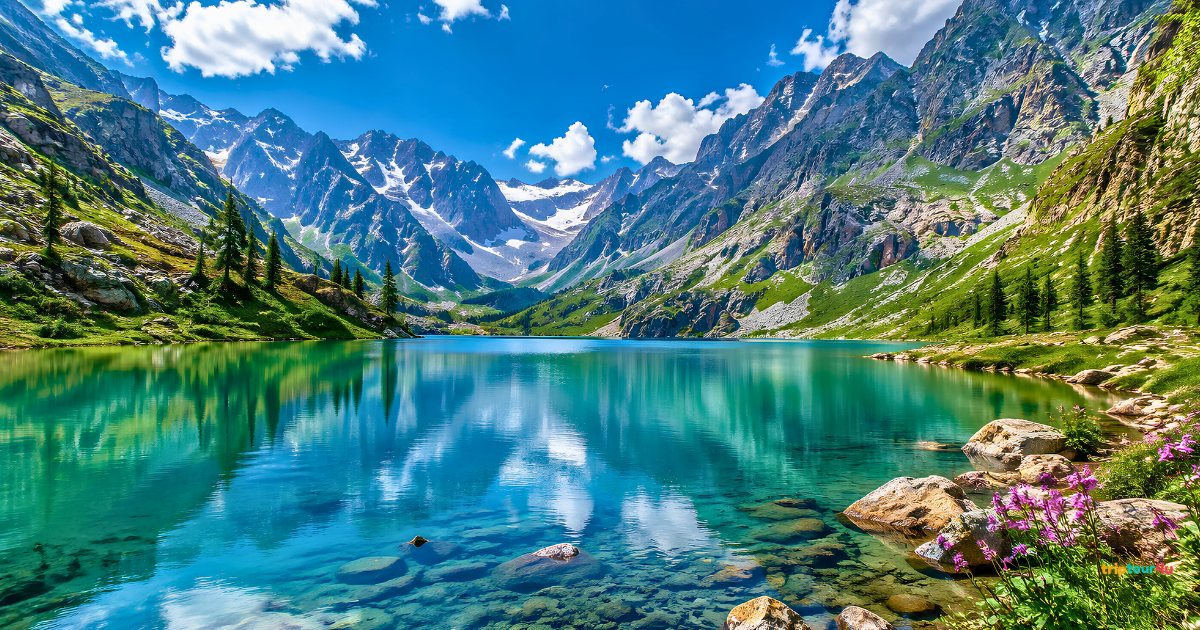
Best Lakes to Visit in Pakistan
The monsoon rains in Pakistan last roughly from late June to September. While it floods the lower valleys and plains, the high-altitude lakes are transformed into their most beautiful state. After the monsoon season ends, usually between mid-September and late October, the skies become clearer, the glacial silt settles, and rivers begin to drop. The crowds who crowded Naran, Skardu, and Hunza in July and August have dramatically reduced. Most experienced Pakistani tour operators and trekkers agree that this is the best time of year to visit the lakes.
The guide explains which lakes are best visited after the monsoon, the importance of timing, the conditions on the ground, and the planning process. It is organized by regions so that you can create an itinerary, not just a list.
1: Post-monsoon is the best time to visit Pakistan’s lakes.
Best Lakes to Visit in Pakistan
It’s important to understand, before diving into specific lakes, why the late September and October seasons are so popular with serious tourists, tour operators, etc.
Pattern of rainfall.
Pakistan’s monsoon usually arrives late in June or early July and lasts through the beginning of September. There are also occasional showers that continue into September. Islamabad can experience several hundred millimeters of rain each month during July and August. Rain is concentrated in north and northeast Pakistan, where many of the iconic lakes are located. Peak monsoon season brings the greatest risk of flash floods, washed-out roads, and landslides on mountain highways leading to Naran, Kaghan, and Azad Jammu Kashmir.
Clear water. Glaciers feed a number of Pakistan’s lakes at high altitudes. The water in the lakes can appear milky turquoise or cloudy during peak summer due to meltwater runoff and monsoon rain. After the monsoon, temperatures drop, and glacial melting slows. Sediment settles. Lakes like Attabad and Satpara show their clearest and deepest shades of blue during September and October.
Road Safety.
Landslides, flash floods, and heavy rains can cause flash flooding and landslides on the Karakoram Highway and Naran-Jalkhad roads, as well as the tracks leading to Deosai, Fairy Meadows, and Deosai. In recent years, Pakistan suffered serious flooding, with widespread floods during the monsoon of 2022 damaging roads and bridges in Khyber Pakhtunkhwa as well as Gilgit-Baltistan. Road crews usually clear the debris after rain and fix any damage. This makes September and October a safer time to travel than during peak monsoon week.
Prices and crowds.
The peak monsoon season coincides with Pakistani summer holidays. This is when the domestic tourist industry in Pakistan peaks. Saif-ul-Malook, in particular, becomes very congested during July and August. In late September, the number of family tourists drops, as do hotel prices in Naran and Skardu. Popular viewpoints also become less congested.
Comfortable temperatures.
Lakes at high altitudes above 3,000 meters can still be cold in July. After-monsoon weather is usually crisp and clear with bright sunlight, and temperatures that are cool enough to be comfortable. This makes it ideal for day hiking and photography.
A trade-off.
By late October, the risk associated with waiting until the window after the monsoon has closed is that snow will close high passes and make some lakes inaccessible during the winter. Most experienced travelers treat the period from late September through mid-October as the “golden” window, with clear skies and little turbidity in the water before heavy snowfalls close high-altitude roads.
2: Kaghan and Naran Valley (Khyber Pakhtunkhwa)
Best Lakes to Visit in Pakistan
Kaghan Valley remains the best place to go lake hopping from Islamabad.
Saif-ul-Malook Lake
Saif-ul-Malook is Pakistan’s largest and most popular lake. It measures approximately 3,224 meters (10,578 feet) above sea level. Local legend holds that it is the home of fairy folk. Its crystal-clear blue water and the reflections on the nearby peaks are well-known. Malika Parbat is located beneath the lake. On clear mornings after the monsoon, the reflection of the snowcapped mountain on the water looks almost perfect.
- —The best time for post-monsoon: From mid-September until mid-October.
- —Access from Naran to the Lake: A rough track is followed by jeeps. Most travelers will hire or take a jeep from a local company rather than drive their low-clearance vehicle.
- —Post-monsoon is the best time to visit: The summer crowds can transform the lakeside into a market. The jeep lines are shorter, and the lake water is visibly cleaner by late September.
- —Expectations: Traditional wooden boat rides, viewpoints with chairlifts and food stands. Even in September, the nights can be cold, so make sure you pack an appropriate jacket.
Lulusar Lake
Best Lakes to Visit in Pakistan
Lulusar is a large natural lake located at an altitude of approximately 48 km beyond Naran, on the Babusar Road. It’s one of the biggest glacial lakes in the area. The lake is visible from the road, so you won’t have to walk to it. This makes it an ideal stopover for those traveling to Babusar Pass and Chilas.
- —The best time to visit is after the monsoon: in late September before Babusar Pass has its first closures due to snow.
- —Note: Due to its higher elevation than Saif-ul-Malook, it may close sooner in the autumn. Check current road conditions before you plan a trip for October.
Dudipatsar (Dudipat Sar) Lake
Dudipatsar, a hiking lake and not a drive-up one, is reached by a multiday trek starting from Besal (upper Kaghan). The lake is remote, and the turquoise color against the surrounding meadows attracts serious hikers and photographers looking for something different.
- —The best time to travel is after the monsoon: From mid-September until late September, when trails and streams are less muddy and flooded due to peak snowmelt.
- —Access: This trip requires camping equipment, a guide, and several days. It is not an overnight adventure.
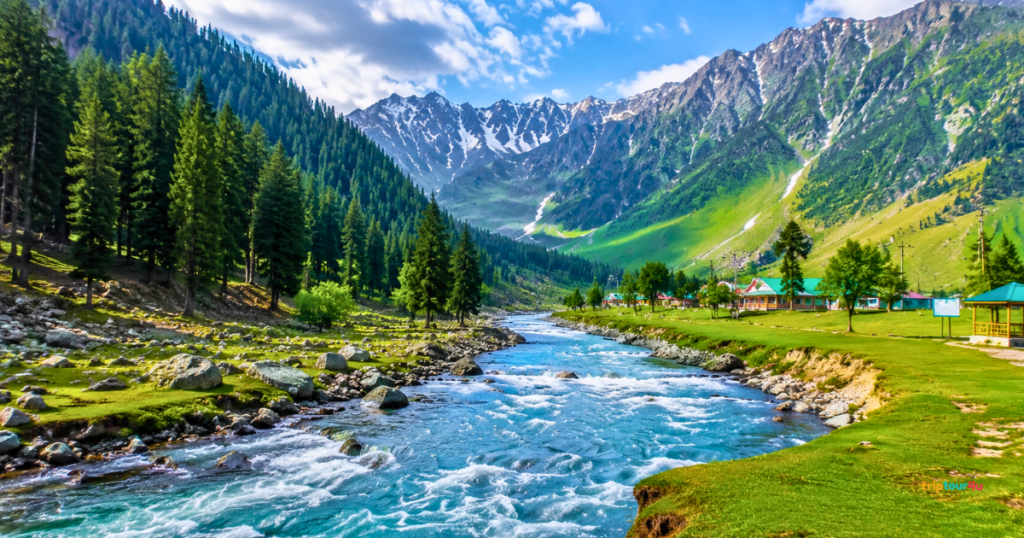
3: Azad Jammu & Kashmir
Azad-Kashmir’s lakes are lower altitude and more forested. Travelers can reach them without the need to trek at high elevation.
Ratti Gali Lake
Ratti Gali is an alpine high-altitude lake near Neelum Valley. It’s surrounded by patches of snow that may last into the summer. The intense turquoise color of the lake is set off by lush alpine pastures. It has been named one of Pakistan’s most stunning lakes.
- —The best time to trek after the monsoon: From mid-September until early October. This is when the cloud cover has cleared, and the snow starts falling.
- —Access: The jeep road goes up partway; the last stretch requires a walk (or a horseback ride of about 1-2 hours).
Banjosa Lake
Banjosa, an artificial lake near Rawalakot, at 6,499 feet, is one of the more family-friendly and relaxed options. Hills and pine trees surround the picnic spot. It’s considered to be one of the most beautiful spots in Azad-Kashmir.
- —The best post-monsoon weather window is from September to October. Banjosa recommends that the pleasant outdoor weather be enjoyed from April until October. Autumn after the monsoon season can also make for a comfortable period.
- —What’s the difference? It’s not a lake or glacial reservoir, so the water is clearer and less dependent on the monsoon. The forest, however, looks fresher and greener after rains.
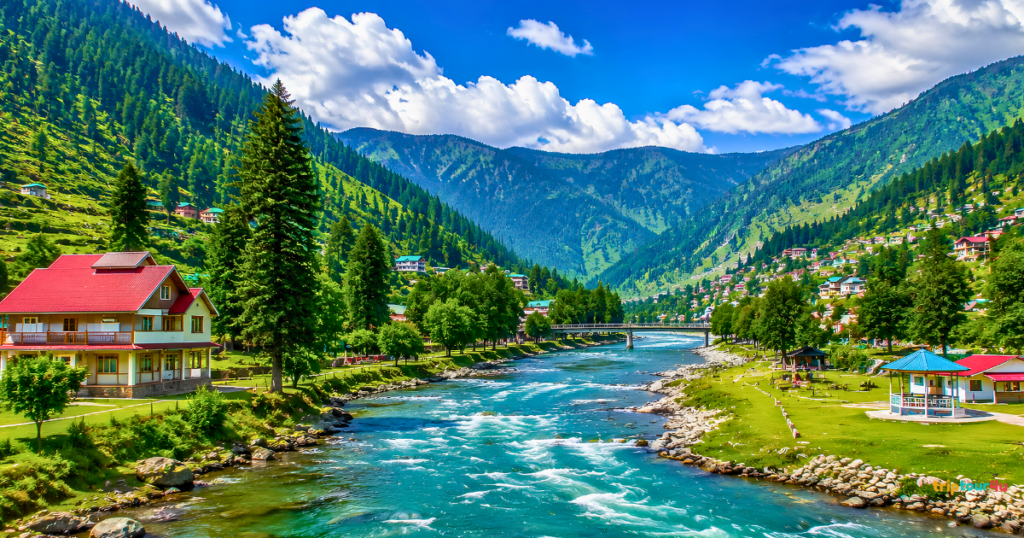
4: Gilgit-Baltistan (Hunza, Nagar, Skardu)
The region is Pakistan’s highest-altitude lake-dense region. Post-monsoon, the area is considered to be the most beautiful time to visit.
Attabad Lake
Best Lakes to Visit in Pakistan
Attabad, unlike other Pakistani lakes, is geologically new. It was created after the Hunza River was dammed by a huge landslide in 2010. The result is a strikingly turquoise, several-kilometer-long lake that submerged part of the Karakoram Highway and created a new, dramatic tourist attraction almost overnight.
- —The best post-monsoon period: From September to October, when the silt of summer glacial melting has settled and water is at its brightest turquoise.
- —Things to Do: Popular activities include speed boating, zip-lining, jet skiing, and lakeside dining. Since the bypass of the highway tunnel, several restaurants and guesthouses along the shore have grown.
- —Access is directly along the Karakoram Highway. This is one of the most accessible high-altitude lakes.
Rush Lake
Rush Lake is located in Nagar Valley, and it’s one of the tallest natural lakes in South Asia. It is commonly cited as being around 4,694 m (15,400 ft) high. You can reach the lake via glacier crossings from either the Hopar side or the Miar. It is only for those who are experienced and have done proper acclimatization.
- —The best time to go after the monsoon: From early to mid-September; snow may already be falling by the end of September.
- —Access a multi-day hike involving glacier travel. Local guides are essential.
- —Reward: From the summits surrounding Spantik and Golden Peak, you can see panoramic views, including Ultar Sar.
Karambar Lake
Best Lakes to Visit in Pakistan
Karambar Lake, at 4,272 meters high, is Pakistan’s second-highest lake. It is located in a remote area between the Gilgit-Baltistan border and Chitral. The lake is one of the most remote in Pakistan, and it’s physically difficult to get there.
- —The best post-monsoon period: Extremely narrow—usually only in early to mid-September due to the altitude.
- —For whom it is intended: High-altitude trekkers who have prior experience and are fully supported in terms of logistics.
Satpara Lake
Best Lakes to Visit in Pakistan
Satpara is located just outside Skardu. It was originally a small lake that was later expanded by a dam. The water from the lake also serves as drinking and irrigation for Skardu. It is accessible throughout the winter, unlike most of these lakes, which makes it an excellent alternative if other lakes have already been closed.
- —The best post-monsoon period: From September to November. One of the only lakes that is still open comfortably into fall.
- —Visit after the monsoon: During summer, when humidity is high, mountains are often cloudy and hazy. However, in clear air following a post-monsoon, they become crisp and well-defined and are a great place to stop for photography on your way from or to Deosai.
Kachura (Upper and Lower/Shangrila Lakes)
Lower Kachura Lake, also called Shangrila Lake, is located near Skardu. It’s often described as being in a paradisiacal setting. The lake is one of the most tourist-friendly in Baltistan because it has deep, green-blue-colored water as well as a resort (the Shangrila Resort).
- –The best post-monsoon period is from September to October. This window offers the clearest water and the mildest temperatures during daytime hours.
- –For: Travelers looking for lake views without having to take a long jeep ride—the drive is only a few minutes from Skardu.
Sheosar Lake, Deosai National Park
Best Lakes to Visit in Pakistan
Sheosar is located at the top of Gilgit-Baltistan’s Deosai Plains, also known as the “Land of Giants,” and sits approximately 13,589 feet high above sea level. It takes three to four hours, requires a 4×4, and is a bumpy, unpaved route. The plateau itself has lush meadows and dense forest, as well as snow-capped mountains.
- —The best time to visit after the monsoon: In mid-September. This is right before Deosai’s plateau road shuts down in winter.
- —Wildlife bonus: Deosai is a protected national park known for Himalayan brown bears, golden marmots, and a wide range of alpine bird species—post-monsoon wildflowers have usually faded, but wildlife sightings around dawn and dusk remain a major draw.
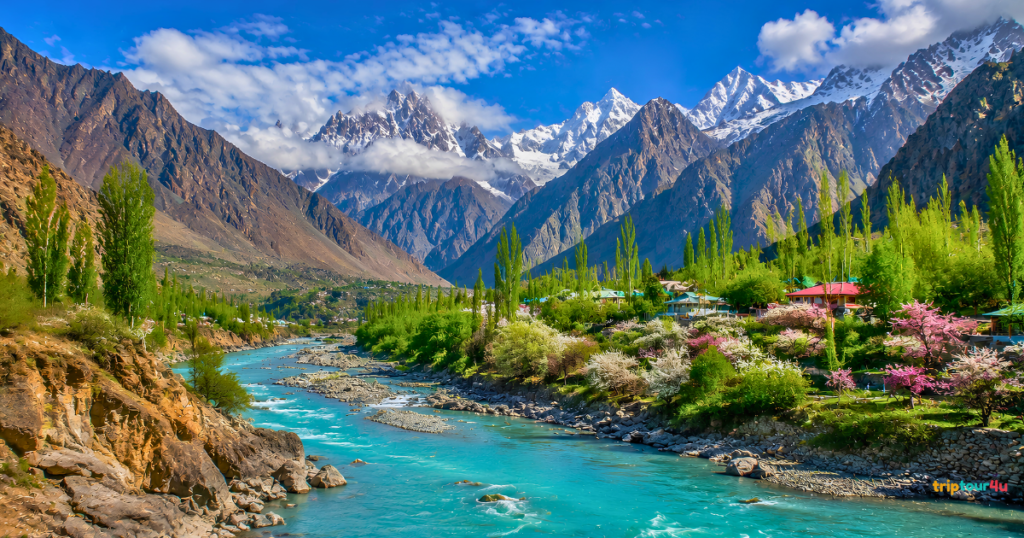
5: Swat Valley
Swat has lower-altitude lakes than Baltistan, so the window after the monsoon is longer and more forgiving.
Mahodand Lake
Mahodand is a popular place for trout fishing, camping, and boating during the summer. It offers a tranquil atmosphere, away from all of the bustle. It’s located at the very top of Ushu Valley, near Kalam. This is one of the most scenic alpine lakes in the country.
- —The best time to enjoy the weather after a monsoon: From mid-September until mid-October. Swat is generally more pleasant than Baltistan and Kaghan due to its lower elevation.
- —Things to do: Fishing, horseback riding, or short walks in the pine forests.
Katora Lake
Mahodand is the starting point for a day-long moderately difficult hike to Katora, a trekking lake located in upper Swat. Katora means “bowl” (in Urdu) because of its shape. Serious hikers love it because they want to get away from the crowds.
- —The best time to visit is after the monsoon: in September, when trails are dry and streams (which were swollen by the peak of the rain and snowmelt) have receded.
6: Punjab and the Salt Range
Best Lakes to Visit in Pakistan
There are many lakes in Pakistan that you can visit. The Punjab lakes are lower-altitude, easily reached, and offer a completely different—and largely overlooked—post-monsoon experience: migratory birdlife.
Uchhali Lake
Near Kallar Kahar is Uchhali, a saltwater lake. The area is surrounded by mountains and is known for its vibrant wildlife. Popular birdwatching is done here during the migration season.
- —The best post-monsoon period: From October, when the winter migration of birds begins to arrive from Central Asia, Siberia, and Uchhali.
- —Post-Monsoon Rains are Important: After monsoon rainfall, the lake basin stabilizes and fills up. This creates the wetlands that migratory birds need as migration begins.
7: Sindh and Balochistan
There are fewer lakes in the south, but there are two that deserve to be known, and both have very different purposes.
Manchar Lake
Manchar Lake is Pakistan’s largest freshwater lake. It offers boating, birdwatching opportunities, and a great place to go for a picnic. The post-monsoon season (from October onwards) is also a prime time, since water levels have stabilized after rains. Migratory birds are now arriving in preparation for the winter.
Hamun-e-Mashkel
Hamun-e-Mashkel, a lake that is seasonal in southwest Balochistan, fills up with water in the monsoons. It creates a stunning sight on an otherwise dry landscape. The wetlands also attract migrating birds. This is genuinely a monsoon-and-immediately-after phenomenon: visit too late into autumn, and the seasonal water may have already begun to recede.
8: Post-Monsoon Lake Vacation: A Month-by-Month Snapshot
| Period | Conditions | Best Suited Lakes |
| Early-mid September | Tail end of monsoon showers possible; roads still being cleared in places; highest lakes still accessible | Rush Lake, Karambar Lake, remote treks |
| Mid-late September | Golden window: clear skies, settled water, comfortable daytime temps, cold nights | Saif-ul-Malook, Ratti Gali, Attabad, Sheosar, Mahodand |
| Early-mid October | Excellent clarity and light for photography; some high routes beginning to close | Attabad, Satpara, Kachura, Banjosa, Katora |
| Late October | High-altitude lakes closing for winter; lower lakes remain open | Satpara, Manchar, Uchhali, Banjosa |
| November onward | Most alpine lakes snowbound; lower-elevation lakes still visitable | Satpara, Manchar, Tanda, Hanna |
9: A Practical Guide to Planning a Post-Monsoon Lake Trip
Before you travel, check the road conditions. The social media pages of the local tourism departments and Gilgit-Baltistan/KP police traffic updates will be more up-to-date than many travel blogs.
Book accommodation that is flexible during shoulder weeks.
There’s still the possibility of snow on high passes in late September due to a western disturbance or a monsoon.
Plan for daily temperature swings of 20-25 degrees Celsius.
In late September, it can be sunny in the midday but cold by evening. It’s more important to layer—base, fleece, and waterproof shell—than it is to have a single “warm jacket.”
Be aware of the altitude at Rush Lake and Karambar Lake.
They are both above 4,000 meters. The weather may be clear after the monsoon, but it doesn’t mean that altitude sickness is no longer a risk. Plan acclimatization and make sure you travel with seasoned guides.
Once you leave the major towns, ATMs, mobile signals, and food stands along the lakeside are all cash only.
Check entry restrictions for protected areas. Deosai National Park, which includes Sheosar Lake, charges an entrance fee and enforces vehicle regulations. Some remote lakes, such as Rainbow Lake, near sensitive border zones, may require that you coordinate with local authorities to gain access.
10: Last Thoughts
After the monsoon, the post-monsoon period—from mid-September to mid-October and tapering off into late October at lower altitudes—is a great time for Pakistani lake photography. The conditions are perfect: calm, cobalt and turquoise water, clean mountain air, easy trekking, and fewer people than during the peak of July and August. At the highest elevations, the trade-off comes in the form of a very narrow window where clear skies are followed quickly by snow.
Most travelers will want to order their trip according to elevation. They should start with the most distant and highest lakes first (Rush), then move down towards the classics at mid-altitude (Saif-ul-Malook, Attabad, and Mahodand) in late September or early October. Finally, they can finish by visiting the lakes that are open for a longer period of time (Satpara and Kachura) and get even better as the autumn progresses.