


Introduction to Mohenjo-Daro
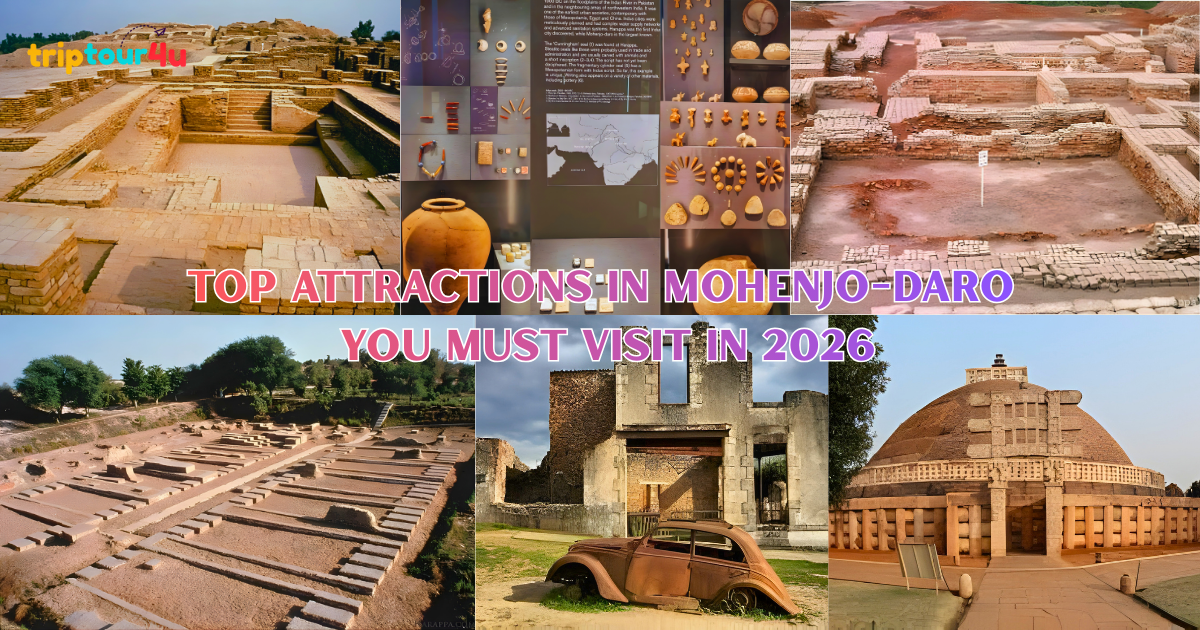
The Top Attractions in Mohenjo-Daro are highlights of the most remarkable historical sites in the world and a priceless symbol of the ancient Indus Valley Civilisation. Situated in Sindh, Pakistan, this historic city dates back to around 2500 BCE and mirrors an advanced level of urban planning, style, and social organisation. For tourists in 2026, Mohenjo-Daro offers a rare chance to explore a civilisation that thrived hundreds of years ago and remains to motivate historians and researchers worldwide.
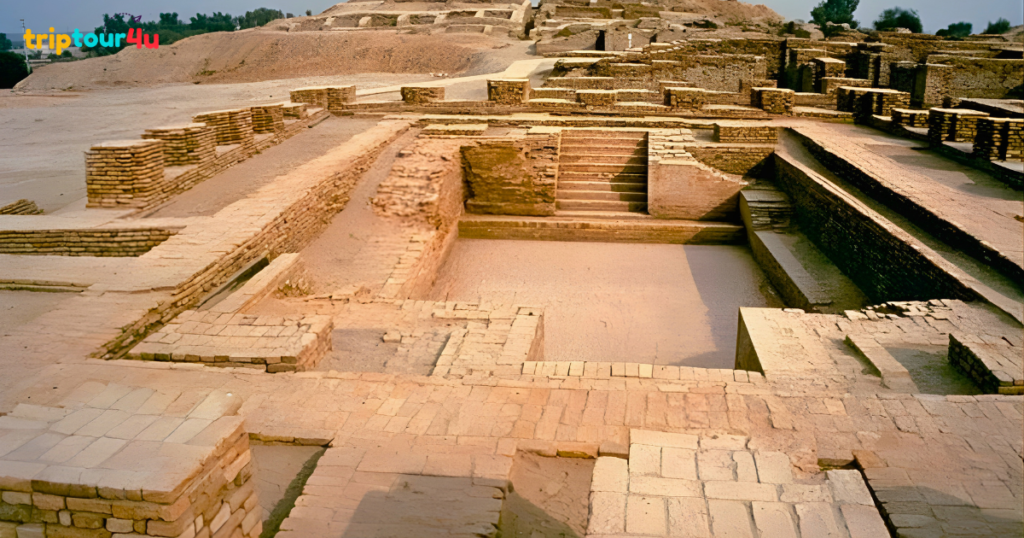
The Great Bath
The Great Bath is one of the most popular and well-preserved structures among the Top Attractions in Mohenjo-Daro, bringing in visitors from around the world. Created with meticulously baked blocks and secured with bitumen, it shows the remarkable design abilities of the ancient home builders. Historians think the Fantastic Bathroom was utilised for spiritual routines, ritualistic bathing, or community celebrations. Its innovative water system and drain system highlight the civilisation’s strong focus on health, purity, and public life.
Assembly Hall
People think that the Assembly Hall was really a prominent site for social, managerial, or ceremonial functions among the Top Attractions in Mohenjo-Daro. The building features a large hall supported by strong brick pillars, symbolising organised administration and collective decision-making. The size and layout of the Assembly Hall show that Mohenjo-Daro served not only as a residential city but also as a centre for meetings, trade, and social interaction.
Residential Ruins
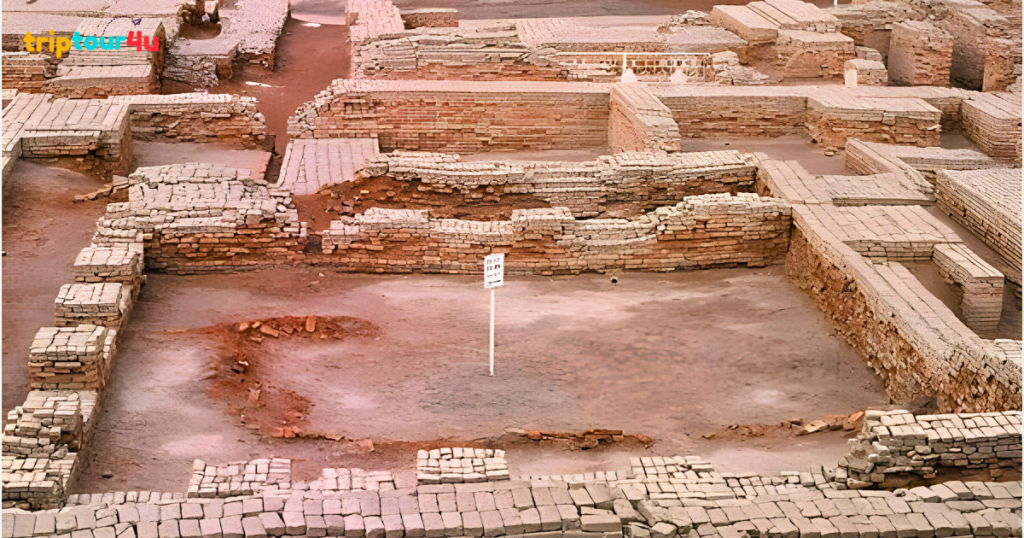
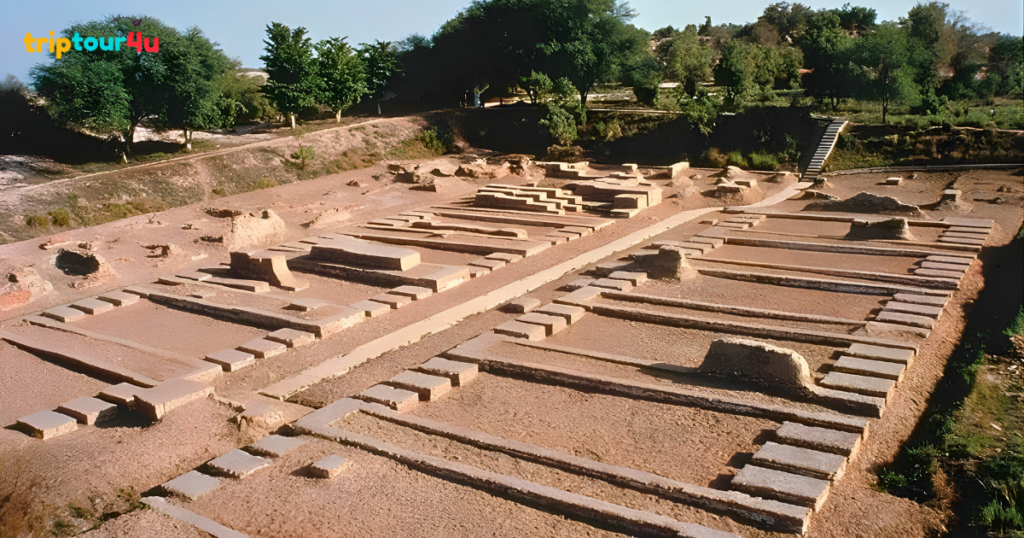
The homes in Mohenjo-Daro show that people lived in a shockingly contemporary way for a long time. People built homes out of baked blocks, and they usually had more than one room, a private well, a bathroom, and a way to get to covered drain systems. The streets followed a grid design, which showed that the city was well-planned. These ruined homes reveal that people in this society valued organised living spaces, personal privacy, sanitation, and infrastructure long before many other historical cultures did.
The Stupa (Buddhist-Era Structure)
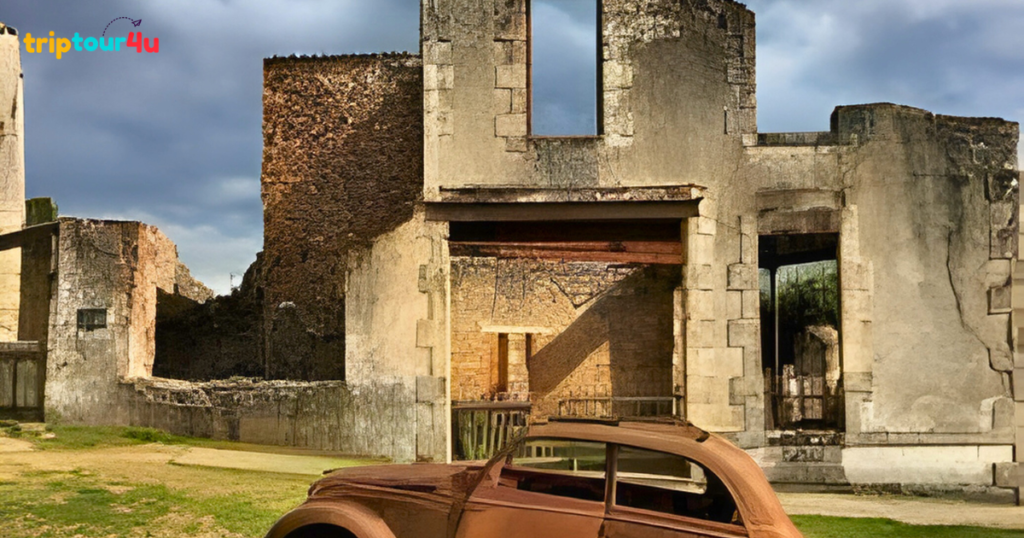
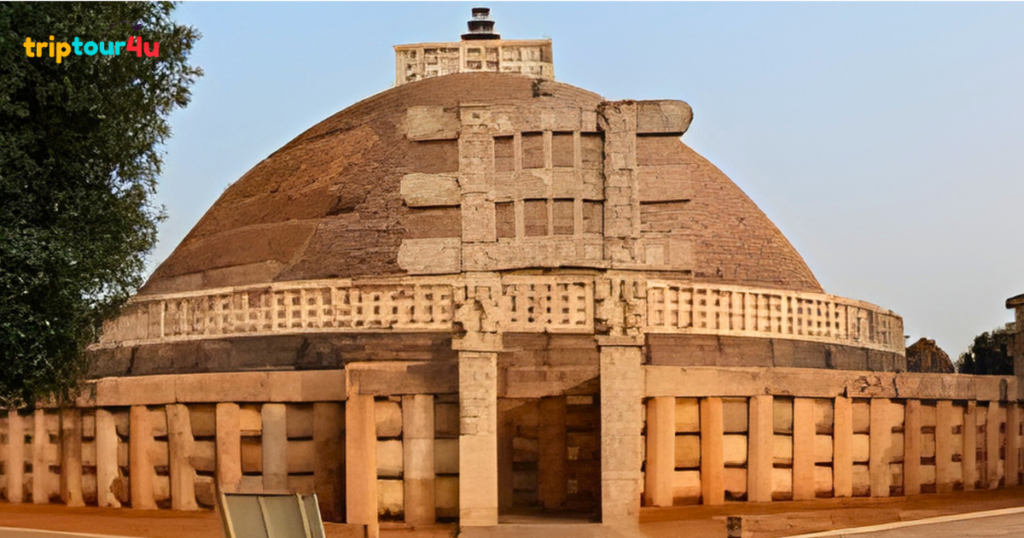
The Stupa at Mohenjo-Daro stands for a later phase of the site’s background, built during the Buddhist period, centuries after the Indus Valley civilisation declined. Built atop older ruins, the Stupa highlights the continued relevance of Mohenjo-Daro as a cultural and spiritual centre. This structure includes historical depth to the website, showing how various civilisations recycled and valued the ancient city over time.
Mohenjo-Daro Museum
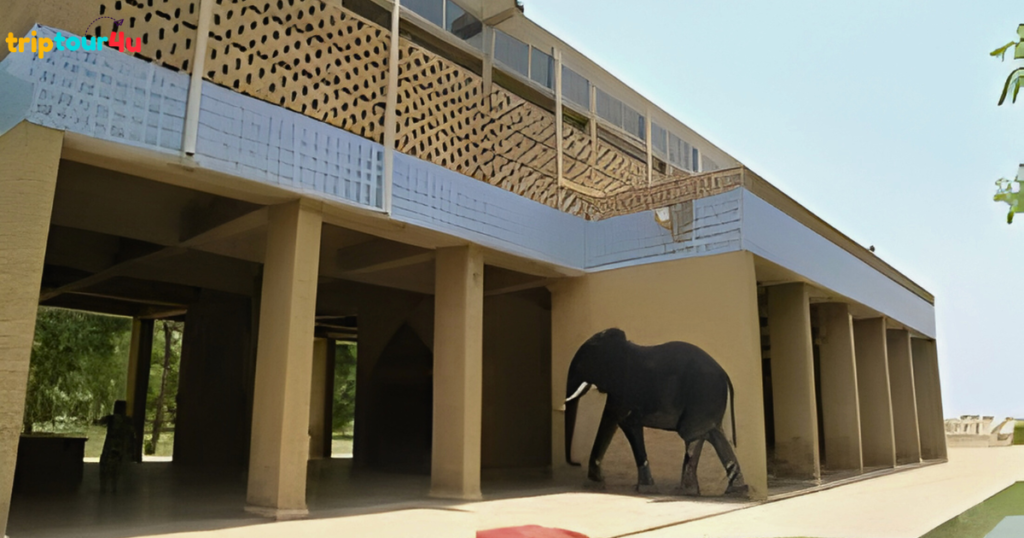
The Mohenjo-Daro Gallery is a necessary quit for site visitors who want a much deeper understanding of the site. The museum shows a variety of artifacts, including ceramics, seals, devices, ornaments, and sculptures. Famous shows such as the Dancing Woman and Priest-King supply a glimpse into the artistic and social life of the Indus Valley individuals. Helpful displays help site visitors link the ruins with day-to-day life in ancient times.
The Granary
The Granary is one of the most significant structures found at Mohenjo-Daro and supplies a valuable understanding of the city’s economic system. This huge framework contains several storage rooms created with air flow passages, possibly to protect grains. Archaeologists believe it was used to store excess plants accumulated from bordering agricultural areas. The presence of such a facility shows strong management control, arranged food distribution, and lasting preparation within the Indus Valley People.
Best Time to Visit Mohenjo-Daro in 2026
The most effective time to visit Mohenjo-Daro in 2026 is between November and February, when the weather conditions are cooler and more pleasant. Throughout these months, site visitors can conveniently check out the damage without severe heat. Summers in Sindh are intense and can make sightseeing stressful. Planning a visit during the winter months ensures a safer and more enjoyable experience. It also gives visitors enough time to explore every significant tourist attraction.
Travel Tips for Visitors
Site visitors to Mohenjo-Daro need to prepare meticulously to make the most of their journey. Comfortable walking footwear is essential, as the website is large and requires extensive walking. Carry enough water, sunblock, and a hat to protect against the sun. Employing a knowledgeable regional overview can significantly enhance your understanding of the site’s history. Most notably, respect preservation guidelines to help secure this old heritage.
Why Mohenjo-Daro Is a Must-Visit in 2026
Mohenjo-Daro remains one of Pakistan’s most significant historical locations and a must-visit site in 2026. Its innovative urban layout, mysterious decrease, and social success continue to amaze scholars and travellers alike. Visiting Mohenjo-Daro is more than sightseeing. It helps travellers connect with the roots of human civilisation and understand how ancient cultures shaped the modern world.
Final Thoughts
Checking out Mohenjo-Daro is a trip through time that offers extraordinary insights into very early human ingenuity. From significant public structures to meticulously intended homes, every part of the city tells a compelling story. For history enthusiasts, researchers, and cultural travellers, Mohenjo-Daro remains a timeless destination. It truly deserves a place on every travel list in 2026.