


Taxila, an ancient civilization, is one of Pakistan’s most important historic and archaeological locations, known worldwide for its old Buddhist heritage and UNESCO World Heritage status. Located near Islamabad in the Punjab district, Taxila stands for thousands of years of human history, education, religious beliefs, and culture. This old city functioned as a significant center of knowledge and trade in South Asia.
Today, Taxila draws in chroniclers, excavators, trainees, and tourists who want to explore its well-preserved ruins, abbeys, stupas, and museums that reflect the glory of early people.
Where Is Taxila Located?
Taxila is located about 35 kilometers northwest of Islamabad and is conveniently available by means of the GT Road. Because of its closeness to the resource city, it is a preferred day-trip location for both domestic and international tourists.
Historical Importance of Taxila
Taxila goes back to around 1000 BCE and flourished under several major empires, consisting of:
The city became famous as a center of Buddhist learning. Students from China, Central Asia, and other regions studied medicine, mathematics, and religious teachings there. Taxila is often called one of the globe’s earliest universities.
Taxila as a UNESCO World Heritage Site
In 1980, Taxila was proclaimed a UNESCO World Heritage Site due to its exceptional historical worth and exceptional preservation of ancient metropolitan structures. The site has several settlements and monoliths spread out across a large area, each standing for a varying amount of time.
Top Places to Visit in Taxila
1. Taxila Museum
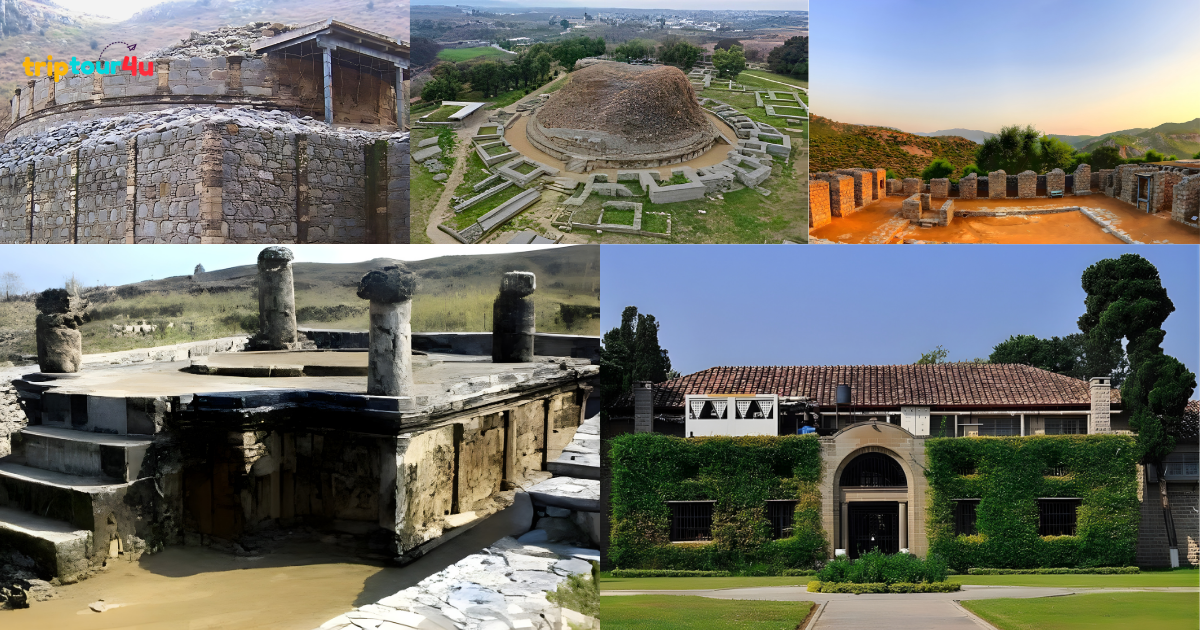
The Taxila Museum is just one of the most important archaeological museums in Pakistan and acts as the perfect starting point for exploring the old city. It houses a remarkable collection of Gandhara art, including rock sculptures of Buddha, comprehensive relief carvings, old coins, inscriptions, and decorative fashion jewelry. The gallery supplies beneficial historical context, aiding visitors in understanding the social, religious, and imaginative development of Taxila throughout various human beings and time periods.
2. Dharmarajika Stupa
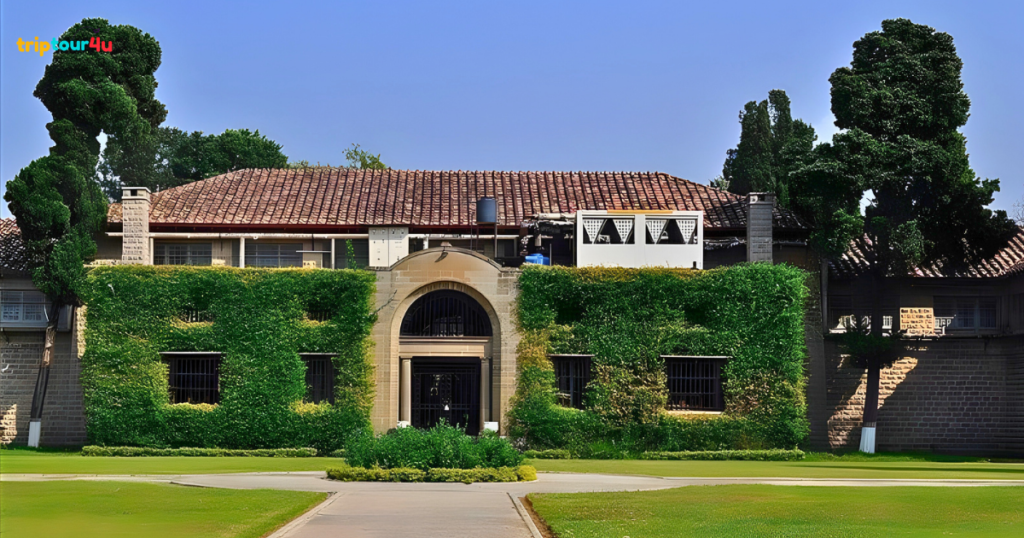
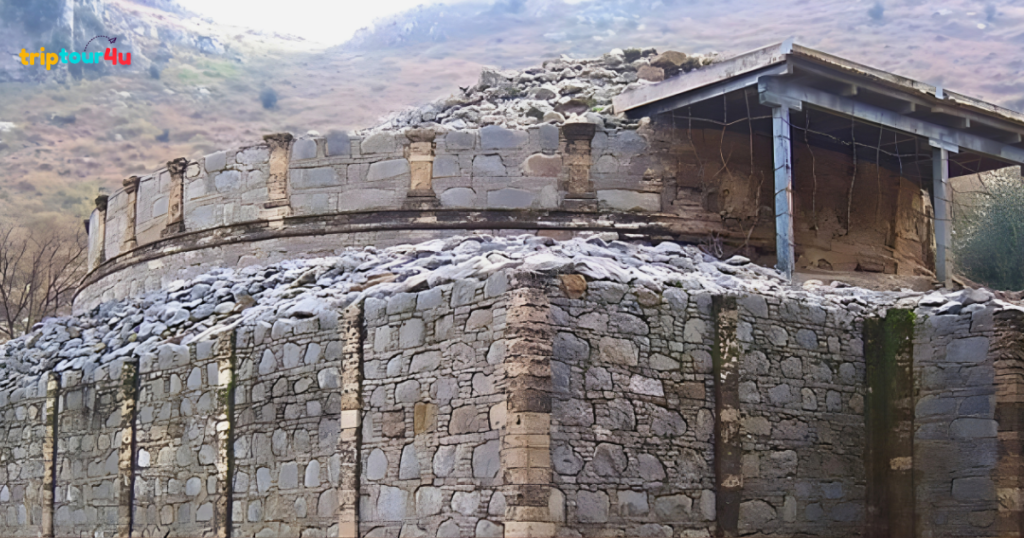
The Dharmarajika Stupa is one of the oldest and most important Buddhist sites in Taxila, dating back to the Mauryan era. This stupa was built to protect Lord Buddha’s spiritual remains and used to attract pilgrims from all around Asia. The big stupa is in the middle of the complex, and smaller churches and monasteries are all around it. Its design reflects early Buddhist spiritual practices. It also highlights Taxila’s importance as a center of worship and pilgrimage in ancient times.
3. Jaulian Monastery
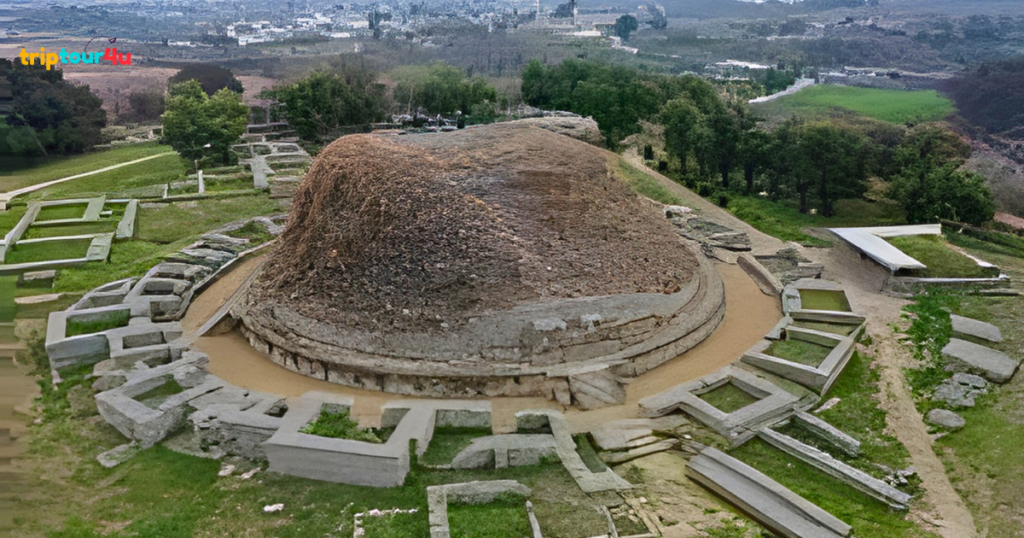
The Jaulian Monastery is a stunning Buddhist retreat complex that is remarkably well-preserved and sits on a beautiful hill near Taxila. The complex has contemplation chambers, assembly halls, schools, and wonderfully carved stone statues that show off the everlasting art of Gandhara. Archaeological finds illustrate how monks lived, studied, and performed religious ceremonies. The raised place supplies spectacular views of the surrounding landscape, making Jaulian Abbey both a historical and aesthetically fulfilling destination.
4. Sirkap Ruins
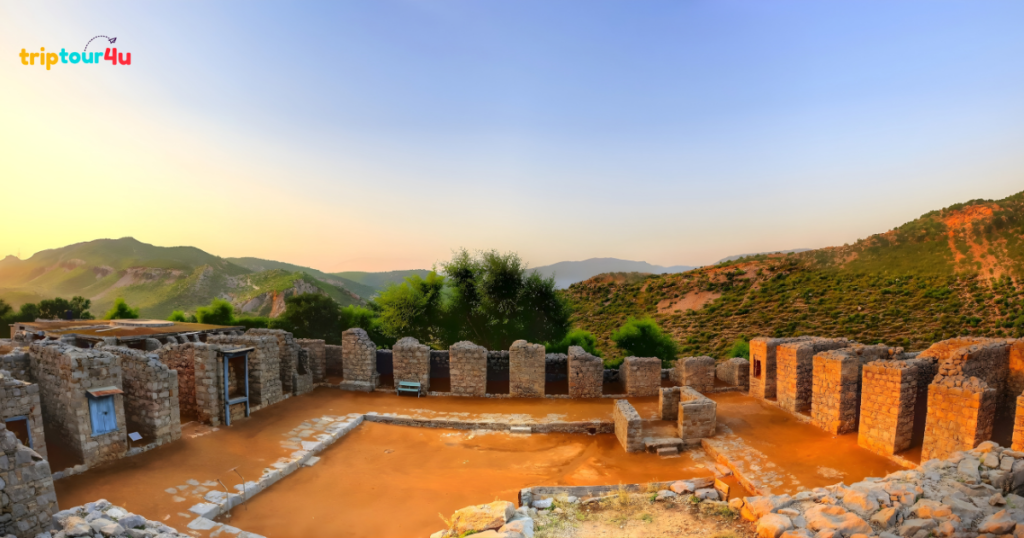
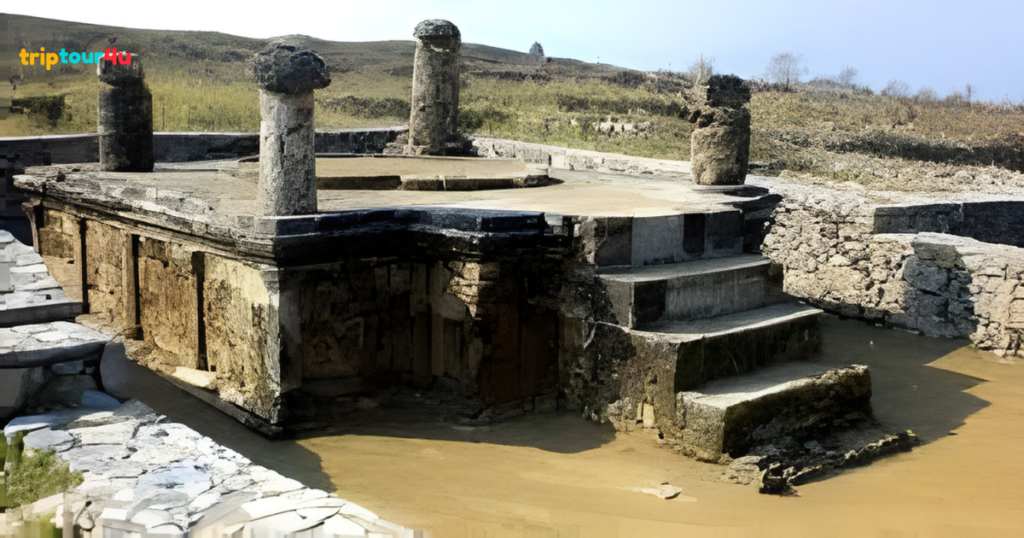
Sirkap Damages is a key site of the Taxila ancient civilization, a well-planned ancient city that Indo-Greek monarchs built in the 2nd century BCE. The city was built with straight roads, residential blocks, holy spots, and a cutting-edge water drainage system, showing how well-planned it was for cities. You can clearly see how Greek, Persian, and local cultures have affected its design. Sirkap gives essential insight into how modern civilizations existed side-by-side and flourished in ancient Taxila.
5. Mohra Moradu
Mohra Moradu is a serene Buddhist abbey, well-known for its well-preserved stupas and monks‘ property quarters. Bordered by plant and natural hillsides, the site supplies a tranquil and spiritual atmosphere suitable for silent exploration. Archaeological proof recommends that it was an important center for religious discovery and meditation. The simplicity of its frameworks mirrors the regimented way of living of Buddhist monks who once lived and researched here.
Best Time to Visit Taxila
The best time to visit Taxila is from October to March. The weather stays dry and pleasant. These conditions are ideal for sightseeing. During these months, visitors can check out archaeological sites, galleries, and exterior damage without pain. Winter is exceptionally positive for walking tours and digital photography. From April to September, summer may be very hot, with daytime temperatures reaching very high levels. If you go in the summer, it’s best to go in the morning or late afternoon.
How to Reach Taxila
With excellent road connections and easy access from major neighbouring cities, Taxila is a hassle-free destination for a quick getaway or adventure, and a key location of the Taxila ancient civilization. Taxila may be reached by car from Islamabad and Rawalpindi by the GT Roadway, which takes 45 to 60 minutes on average. The journey is made easy by smooth roadways and clear road signs. Regular buses, vans, or wagons from Rawalpindi main terminals are available to site visitors via public transportation, and they often operate throughout the day. Travelers often choose a private vehicle because it lets them explore historical sites, museums, and monasteries at their own pace. They can travel freely without following fixed schedules.
Travel Tips for Visitors
1: Wear comfortable walking shoes
2: Carry water, especially in summer
3: Respect historical sites and avoid touching artifacts
4: Hire a local guide for a more informative experience
Why Visit Taxila?
Anyone interested in history, culture, and ancient civilizations should visit Taxila, a UNESCO World Heritage Site and a remarkable example of an ancient civilization. It offers a rare chance to see ruins preserved for thousands of years. In the past, Taxila was a significant academic hub that drew researchers from all across Asia. It has historical significance on a global scale because of its heritage. Old abbeys, stupas, galleries, and prepared cities with Greek, Buddhist, and local influences are all open to visitors. Taxila offers a peaceful atmosphere and substantial educational value. It provides excellent opportunities for photography, academic research, and cultural exploration. These qualities make Taxila one of Pakistan’s most enriching heritage destinations.
Conclusion
A proud representation of Pakistan’s long history and enduring contribution to world civilisation is Taxila. Taxila is still one of Pakistan’s most important historical sites because of its impressive archaeological remains, strong educational history, and UNESCO World Heritage status. The ancient city is an excellent example of early city planning, religious ceremonies, and schools because it shows how Buddhist, Greek, and South Asian cultures came together uniquely. Visitors may interact with history and have a greater understanding of Pakistan’s rich and varied cultural legacy by travelling back in time to Taxila.