


Introduction
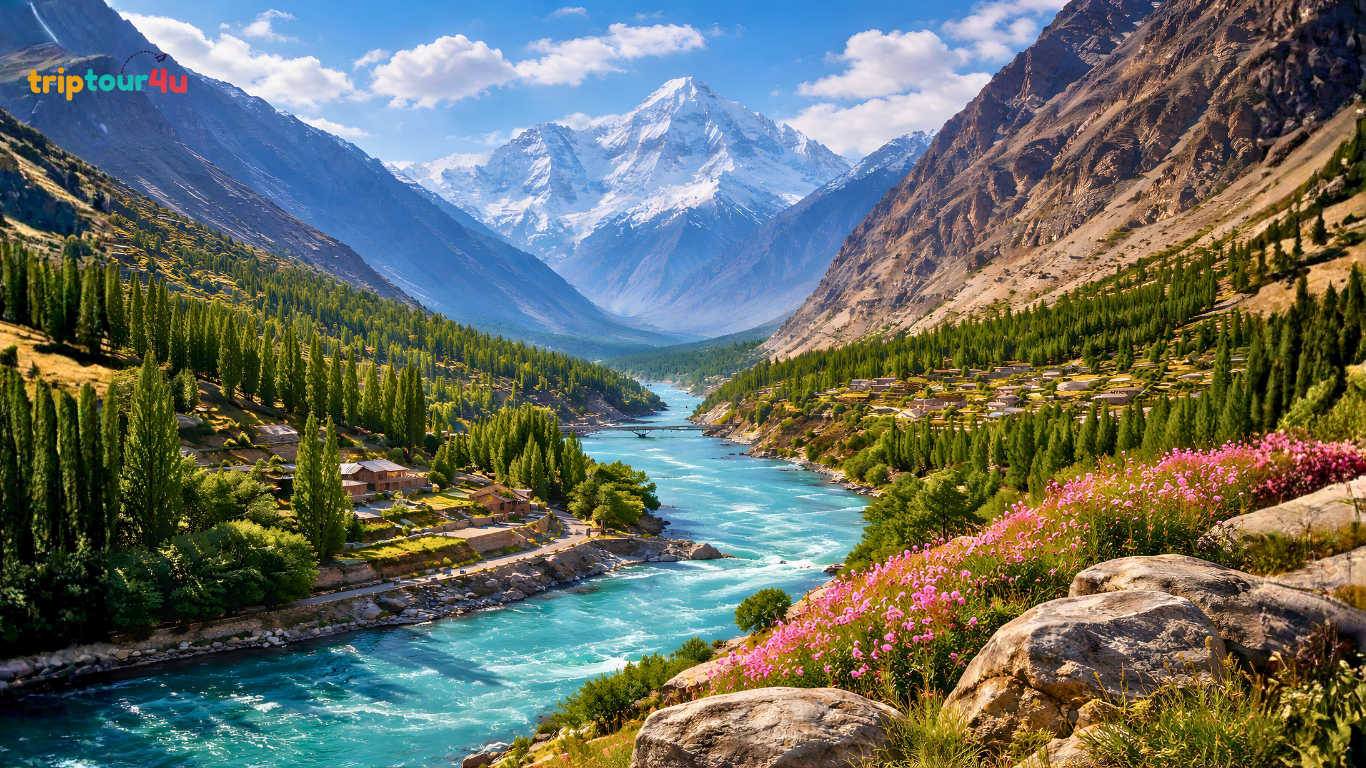
Gilgit-Baltistan, located in the north-east of Pakistan, is known worldwide for its mountainous terrain, turquoise lakes, and dramatic valleys. This region is home to the Karakoram and the Himalaya ranges. It has also been known for its cold climate and snow-covered landscapes. Gilgit-Baltistan Rise to 2026: The Hottest Gateway highlights this transformation.
As we near 2026, Gilgit-Baltistan will be referred to as the “Hottest Gateway”, not only because of its tourism growth but also for its record-breaking temperatures and climate change’s accelerating impacts. This article provides a detailed, comprehensive and high-quality analysis of the reasons why Gilgit-Baltistan will be a global hotspot in 2026.
1. Record-Breaking Temperatures: A Climate Turning Point
Gilgit-Baltistan experienced unprecedented heatwaves in recent years.
- –Chilas temperatures reached 48.5 °C (119.3degF), one of the highest recorded in the area.
- –Bunji reported temperatures above 46 °C.
- -The temperatures in these areas have broken records dating back decades.
Such extreme heat is a sign of a dramatic climate shift in a region that has traditionally been known for its cool summers and harsh Winters. Scientists believe the warming trend in northern Pakistan is faster than the global average.
2. Why is Gilgit-Baltistan called “The Hottest Gateway” in 2026?
Two major realities are represented by the term:
A. Climate Intensity
Gilgit-Baltistan has been at the forefront of climate change. Temperatures are rising at an accelerating rate.
- -Glacier melt
- -Formation of unstable glacial lavas
- -Flash floods are more likely to occur
- -Unusual rainfall patterns
B. Tourism & Global Awareness
The region is Pakistan’s fastest-growing tourism gateway despite climate risks:
- -Travel both domestically and internationally is on the rise
- -Karakoram Highway: Improved access to the road
- -Expanding hospitality infrastructure
- -Adventure travel and eco-tourism are growing
Gilgit-Baltistan is at a crossroads – both environmentally vulnerable and also economically emerging.
3. Glacier Melt and Environmental Data
Gilgit-Baltistan has one of the highest concentrations of glaciers in the world outside of the polar region.
Key environmental facts:
- -Thousands of glaciers are the source of major rivers, including the Indus.
- -Rising temperatures accelerate glacial retreat.
- -Glacial lake outburst floods (GLOFs), which are more common, are on the rise.
- -The seasonal patterns of snowmelt are changing.
Experts estimate that regional temperatures have increased significantly in recent decades. This has contributed to faster ice melt and unpredictable water systems.
4. Glacial Lake Outburst Floods and Natural Hazards
As glaciers melt:
- -Glacial lakes expand.
- -Behind moraines or natural ice dams, pressure builds.
- -Sudden bursts of water can cause massive amounts to be released downstream.
The GLOF events that have occurred in the past have caused:
- -Villages
- -Agri land
- -Bridges and roads
- -Karakoram Highway – Sections
These risks are increasing in communities such as Hunza and Ghizer valleys.
5. Economic Impact of Tourism vs. Climate Risk
Positive Growth Indicators:
- -The number of visitors is increasing every year.
- -Construction of hotels and guesthouses is on the rise.
- -Tourism growth in the trekking, mountaineering and cultural sectors.
- -Popular destinations include:
Climate-Related Challenges:
- -Water shortages occur during certain seasons.
- -Floods can cause damage to infrastructure.
- -Agricultural disruption.
- -The costs of disaster management are increasing.
The future of Gilgit-Baltistan depends on the ability to balance sustainable tourism and environmental protection.
6. Infrastructure and Strategic Importance
Gilgit-Baltistan is a key player in the regional connectivity.
- -The Karakoram Highway connects Pakistan with China.
- -It is a major gateway for tourism and trade.
- -The expansion of Skardu Airport has improved air connectivity.
Infrastructure modernization accelerates as 2026 approaches. This further positions the region as an economic corridor in the north.
7. Long-Term Climate Outlook Toward 2030
Climate models indicate:
- -Temperature continues to rise.
- -Extreme weather events are becoming more frequent.
- -Increased glacier instabilities
- -Need for urgent adaptation policies
Mitigation strategies include:
- -Flood warning systems are available.
- -Climate-resilient infrastructure.
- -Glacier monitoring systems.
- -Programs to raise community awareness
8. The Dual Identity 2026: Beauty and vulnerability
- Gilgit-Baltistan 2026 is a stark contrast.
- Strengthening Your BodyRisk
- Global tourism hotspot: Heat records are broken
- Spectacular landscapes, Glacier retreat
- Infrastructure expansion, flood hazards
- Economic growth, Environmental instability
- The region is on the rise, but it’s also under pressure.
Conclusion: Rise to the Year 2026, a Definite Era
“Gilgit-Baltistan Rising to 2026: the Hottest Gateway” is a reflection of a momentous change in the history of this region. It is:
- -The gateway to the highest peaks in the world.
- -The gateway to Pakistan’s future tourism
- -The harsh reality of climate change is a gateway to confronting it.
Gilgit-Baltistan is at a crossroads where environmental responsibility and economic opportunities must be aligned.